
Winter Energy Efficiency Tips for Vermont Homes: Save Heat & Money
Why Is My Vermont Home Losing So Much Heat?
If your home in Rutland County, Killington, Woodstock, Ludlow, or Pittsfield has ever felt cold no matter how high you turn up the heat, you’re not alone. Vermont winters are long, unforgiving, and expensive, especially when your home isn’t working with you.
Every year, thousands of Vermont homeowners notice the same signs:
Drafts around windows and doors
Ice dams forming on the roof
Heating systems running nonstop
Rooms that never warm up
Energy bills climbing steadily
And more often than not, these problems aren't caused by your furnace they’re caused by heat escaping your home faster than you can make it.
This guide reveals the most effective energy efficiency tips for Vermont homes, how to stop heat loss, and how Evergreen Property Care can help you stay warmer, safer, and more efficient all winter long.
Why Energy Efficiency Matters for Vermont Homes
Vermont has one of the harshest winter climates in New England. Between the snowstorms in Killington, the icy winds in Rutland, and the old historic homes in Woodstock and Pittsfield, energy waste happens everywhere if a home isn’t winter-ready.
The U.S. Energy Information Administration reports:
Over 60% of a Vermont home’s winter energy usage goes directly to heating.
That means every gap, draft, leak, or insulation flaw translates into immediate dollars lost.
Energy efficiency improves everything:
You save hundreds on heating costs
Your home stays warmer and more comfortable
Your HVAC system runs smoother and lasts longer
You reduce freezing risks and moisture issues
You prevent costly winter repairs
In areas like Ludlow or Rutland County, where heavy snowfall and freezing temperatures persist for months, winter efficiency isn’t optional, it’s essential.
The Biggest Sources of Heat Loss in Vermont Homes
Heat loss isn’t always obvious, but it leaves clues.
1. Roof & Attic Heat Escape
Because heat rises, the attic is one of the biggest culprits of energy waste. Poor insulation or air leaks allow warm air to slip out causing uneven roof snow melt and dreaded ice dams.
2. Drafty Windows & Doors
Even the smallest gaps create a continuous flow of cold air. Vermont’s older homes (especially in Woodstock or Pittsfield) tend to have poorly sealed window frames.
3. Basement & Foundation Leaks
Cold air sneaks in through sill plates, rim joists, and foundation cracks chilling floors and raising heating usage.
4. Outdated Heating Systems
Old furnaces run harder and longer, wasting energy in the process. This is common in long-standing homes across Rutland County.
5. Poor Ventilation
A home needs controlled airflow. Bad ventilation leads to moisture, mold, uneven heating, and roof damage.
Understanding where heat escapes helps you target the real problem not just compensate with more heating.
Top Winter Energy Efficiency Tips for Vermont Homeowners
These tips are based on building science, Vermont climate realities, and Evergreen’s experience handling hundreds of winter prep projects every season.
1. Boost Your Attic Insulation
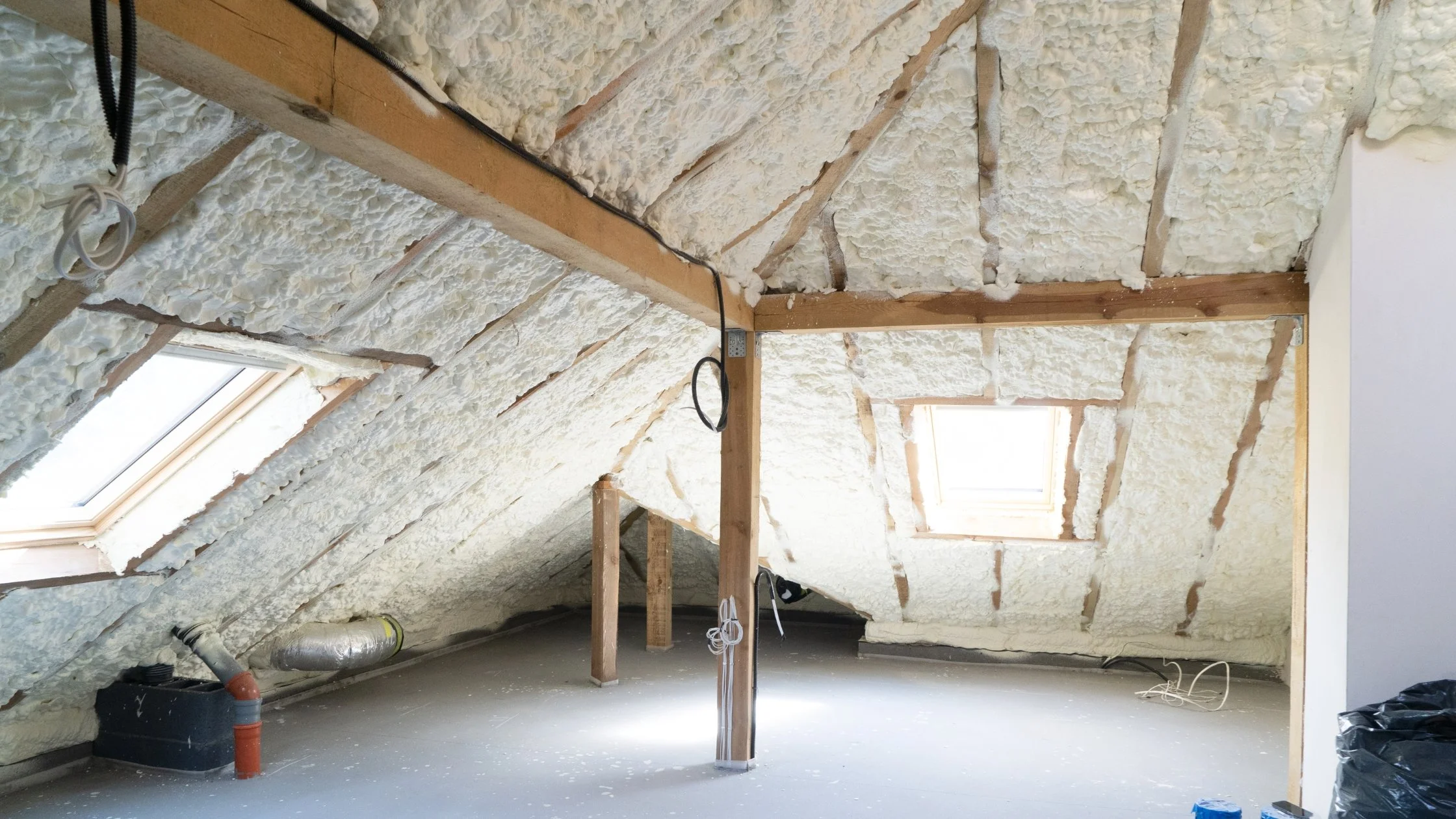
Your attic is your thermal shield. Vermont homes should have an attic R-value between R49 and R60, but many homes especially older homes in Woodstock, Rutland, and Pittsfield fall far short.
Proper insulation can reduce heat loss by 30–40%.
Evergreen uses materials like:
Blown-in cellulose
Fiberglass batts
Spray foam
Air leak sealing around penetrations
When your attic is properly insulated and sealed, the difference in warmth is immediate and so is the drop in heating costs.
2. Seal Drafts Around Windows and Doors
A drafty home is an expensive home.
Apply weatherstripping, caulk, and thermal film to:
Window frames
Door trims
Sliding doors
Basement windows
Attic access points
Small fixes = big savings.
3. Insulate Basement Walls & Rim Joists
Basements hold cold air like a refrigerator. In many Vermont homes, the rim joists are completely exposed allowing cold air to spill into the home.
Insulating this space helps:
Keep floors warmer
Reduce furnace workload
Cut down heat loss dramatically
A well-insulated basement changes the comfort of the entire home.
4. Upgrade to Energy-Efficient Lighting & Appliances
Switching to LED and Energy Star appliances not only cuts electricity usage but also reduces strain on your winter electrical system.
Add smart thermostats for better control and efficiency.
5. Maintain or Upgrade Your Heating System
A well-maintained system saves money all winter long.
Have your furnace or boiler:
Tuned up annually
Filters replaced
Vents cleared
Efficiency tested
If your system is 15–20 years old or more, upgrading to a modern unit can cut heating costs by up to 25%.
6. Improve Your Home’s Ventilation
Proper ventilation prevents:
Roof moisture
Ice dams
Mold formation
Condensation on windows
Uneven heating
Evergreen ensures soffit vents, ridge vents, and airflow channels are balanced to maintain ideal attic temperatures.
Extra Vermont-Specific Tips for Better Winter Efficiency
These are the tips that matter specifically for Vermont homeowners not generic national advice.
1. Manage Snow and Ice Proactively
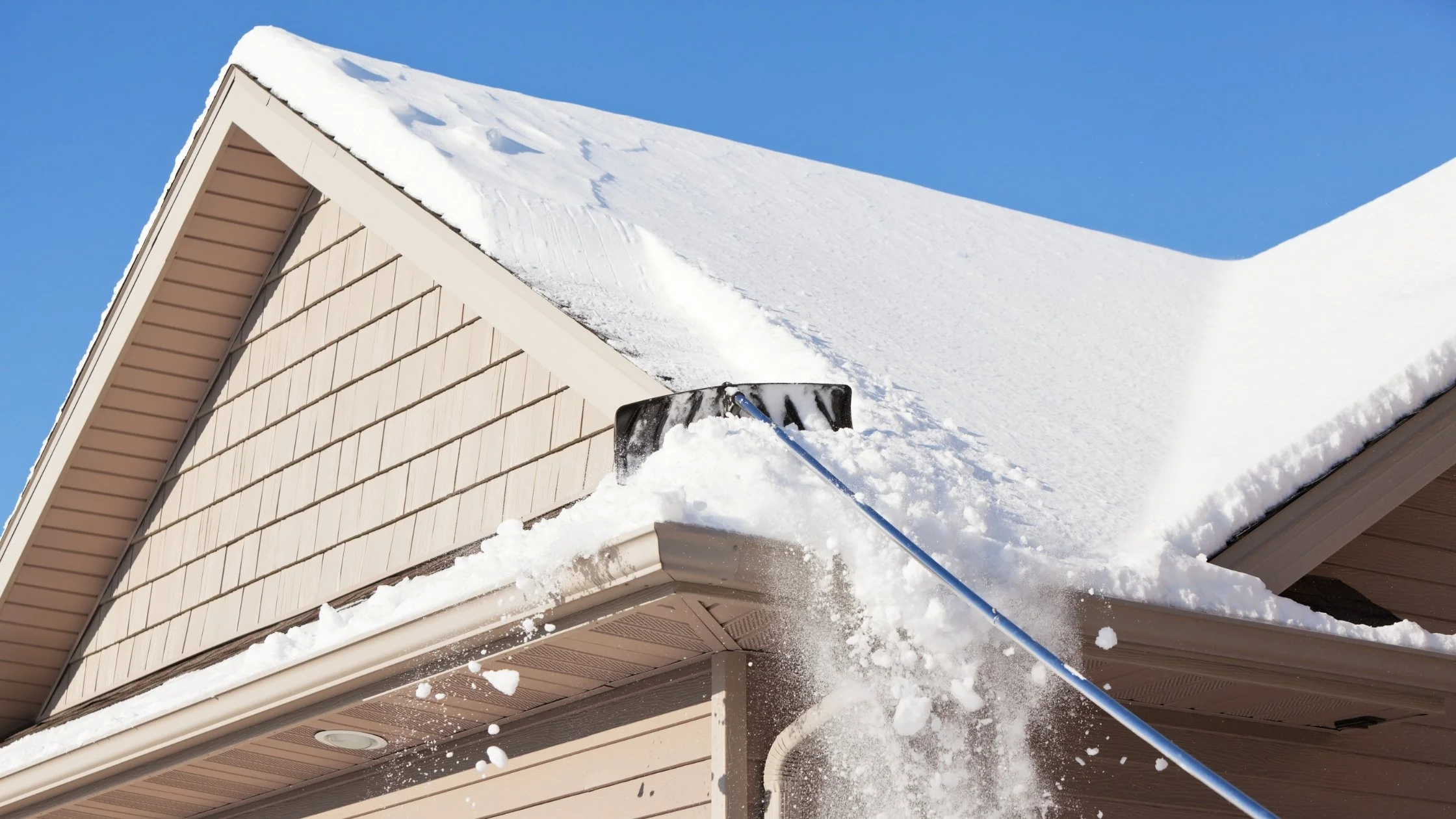
Snow buildup increases heat loss and ice dam risks. Professionally clearing roofs and gutters helps protect structural integrity.
2. Prepare for Freeze–Thaw Cycles
These cycles crack siding, roofing, and exterior surfaces especially in Rutland and Killington.
3. Protect Outdoor HVAC Equipment
Clear snow from around exterior compressors and vents to avoid overworking the system.
4. Choose Materials Suited for Vermont Winters
Insulation, roofing, siding, and sealants must be cold-weather rated for durability.
What Energy Inefficiency Really Costs Vermont Homeowners
Ignoring small winter prep steps can lead to:
$300–$900 higher heating bills
Frozen pipes
Roof leaks
Mold growth
Structural damage
Emergency repairs ranging from $1,000 to $15,000
Evergreen often responds to winter emergencies in Ludlow, Rutland, and Killington where minor inefficiencies turned into major repair headaches.
Proactive energy efficiency is far cheaper than reactive repair.
Why Vermont Homeowners Trust Evergreen Property Care
Evergreen isn’t just a contractor, it’s a year-round partner in property care, seasonal maintenance, and winter home protection across Vermont.
Homeowners choose Evergreen because:
We understand the realities of Vermont winters
We offer insulation, roofing, repair, renovation, and construction support
We deliver full-service property care inside and out
We’re trusted by homeowners in Rutland, Woodstock, Pittsfield, Killington, and Ludlow
We prioritize long-term solutions over quick fixes
We’re local, responsive, and committed to quality craftsmanship
Evergreen helps Vermont homes stay warm, safe, and energy-smart all year long.
Protect Your Vermont Home This Winter
Winter efficiency doesn’t happen by accident it happens with preparation, smart upgrades, and trusted professionals who understand how Vermont homes work.
Whether you need insulation upgrades, air sealing, roof repair, energy assessments, or full-property winterization, Evergreen Property Care is here to help you save heat and money all winter long.
CLICK HERE to Schedule or Contact (802) 444-1372
or email us at info@evergreenpropertycare.com
Evergreen Property Care — Vermont’s trusted partner in winter energy efficiency.