
When to Winterize Your Deck Before Vermont's First Frost
Vermont's first hard frost typically arrives in the Rutland and Windsor County area by mid-to-late October, and a deck that isn't ready for it can suffer damage that doesn't show up until spring thaw reveals cracked boards or shifted footings. The window for winterizing a deck properly is narrower than most homeowners assume — waiting until the first snowfall is already too late for some of the steps that matter most.
Why Frost Timing Matters More Than a Calendar Date
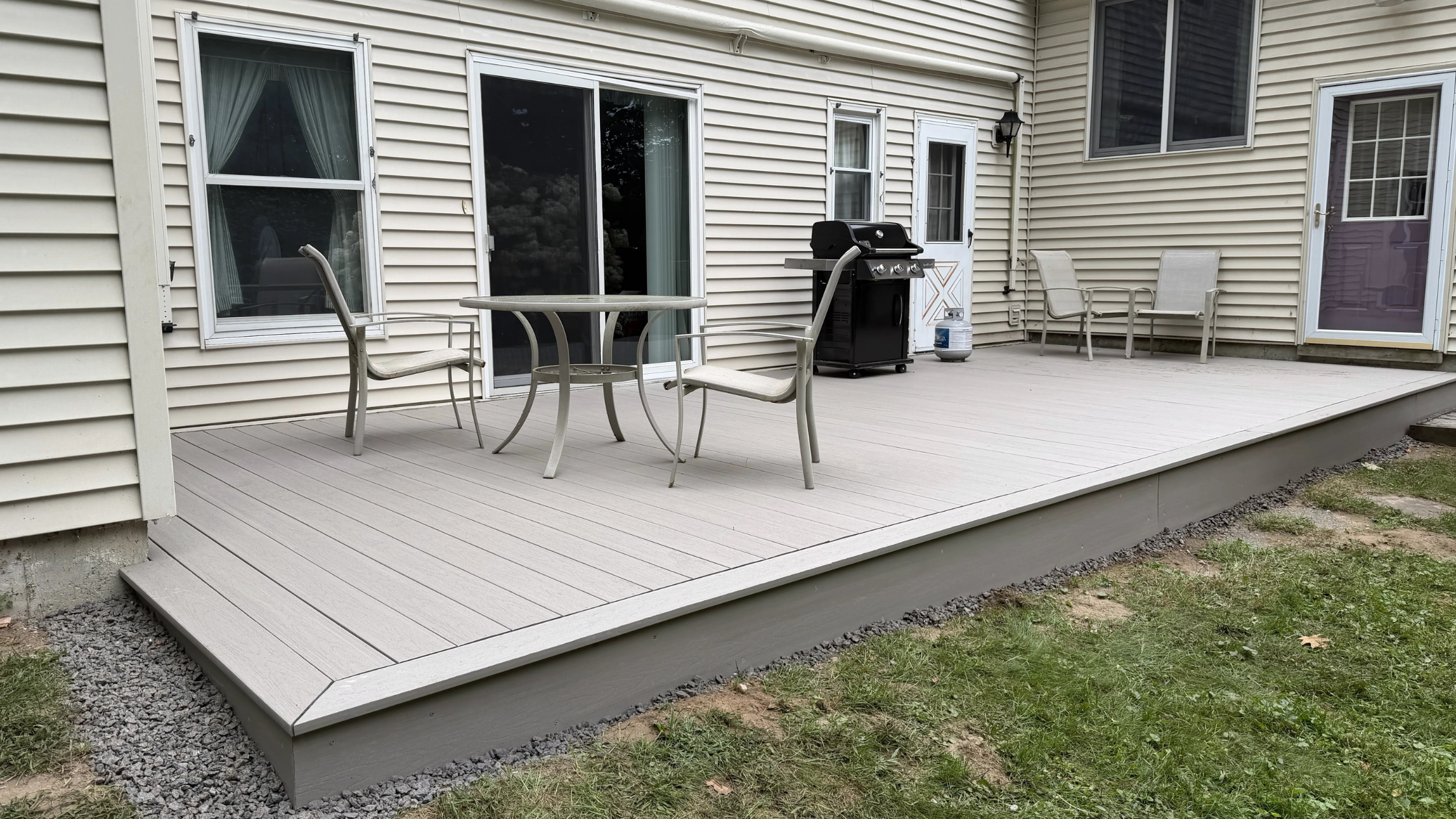
Frost heave happens when moisture trapped in or around deck footings freezes and expands, pushing structural posts out of position over a single winter. Vermont's freeze-thaw cycles are more aggressive than milder climates, which is why decks built to code elsewhere can still develop footing problems here if water management wasn't addressed before the ground freezes. The practical deadline isn't a specific date — it's before sustained ground freeze sets in, which makes early-to-mid October the realistic action window for most of Rutland and Windsor counties.
The Deck Winterizing Sequence, in Order
Skipping ahead to sealing before addressing structural issues wastes the sealant and hides problems that get worse under snow load. The sequence matters:
Inspect footings and posts first. Check for any movement, cracking, or gaps at the base before doing anything else. A footing issue caught now is a straightforward fix; the same issue discovered in spring after a full winter of freeze-thaw cycles is often a bigger repair.
Clear all debris from between boards. Leaves and organic debris trapped between deck boards hold moisture against the wood through the entire winter, accelerating rot in exactly the spots that are hardest to inspect once snow covers the deck.
Check and tighten fasteners. Summer humidity swings loosen screws and bolts. A fastener that's slightly loose in October becomes a fully working-loose board under repeated snow-shoveling and ice-melt cycles.
Seal or stain if the deck is due. Sealant needs to cure in dry, moderate temperatures — Vermont's shrinking fall window means this step often needs to happen before mid-October, since temperatures drop below effective curing range faster than homeowners expect.
Address drainage under and around the deck. Standing water anywhere near footings is the direct cause of most frost heave problems. Confirm grading still slopes away from the structure before ground freeze locks it in place until spring.
What Happens If You Skip This Year
A deck that goes into winter without this sequence doesn't usually fail catastrophically — it accumulates damage that shows up gradually. Common spring findings on decks that skipped fall prep include popped fasteners, boards that have cupped from trapped moisture, and in more serious cases, a post that's visibly shifted from its footing. Any of these is a more expensive fix in April than the original prep would have cost in October.
Why Local Contractor Knowledge Matters Here
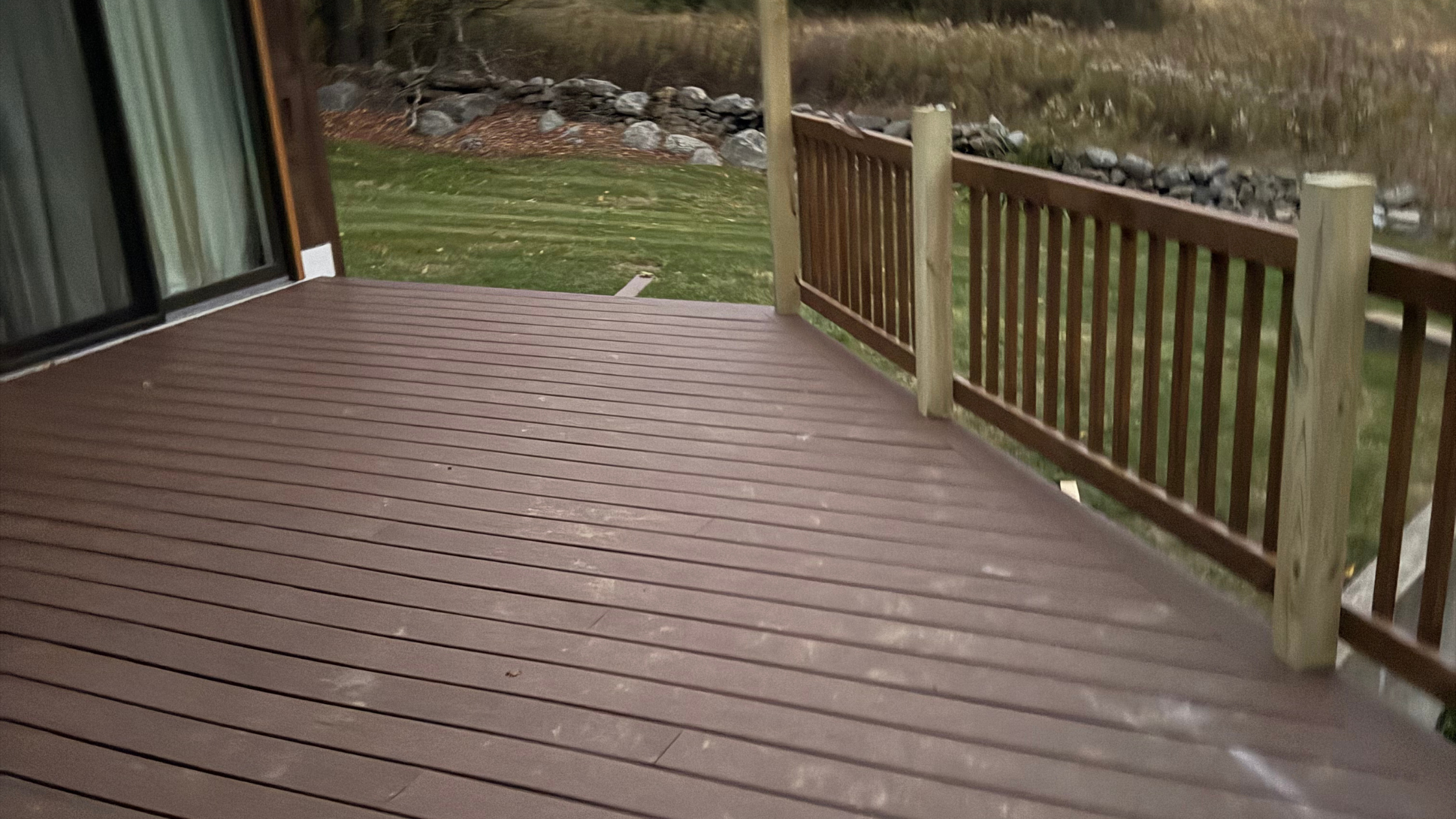
Frost heave risk isn't uniform across Vermont properties — soil composition, drainage patterns, and how a deck was originally built all affect how much winterizing a specific structure actually needs. A contractor who has worked in the Killington, Rutland, and Woodstock area knows which properties tend to have drainage challenges and which construction shortcuts from past renovations tend to cause problems under freeze-thaw stress. That local pattern recognition is difficult to replicate with a generic winterizing checklist alone.
Frequently Asked Questions
How do I know if my deck has frost heave damage from a previous winter? Look for posts that appear tilted or footings with visible gaps or cracking at the base — these are the clearest signs, though damage is sometimes only fully visible once the ground fully thaws in spring.
Can I winterize a deck myself, or does it need a professional? Basic debris clearing and fastener checks are reasonable for a homeowner to handle. Footing inspection and any structural concerns are worth a professional assessment, since footing problems aren't always visible from the surface.
Is it too late to winterize if the first frost has already happened? Sealing becomes less effective once temperatures drop too low to cure properly, but footing inspection, debris clearing, and fastener checks can still happen right up until the ground fully freezes.
Does deck winterizing differ for a vacation property versus a full-time residence? The steps are the same, but timing matters more for vacation properties since an owner isn't on-site to notice early warning signs — scheduling the check proactively rather than reactively is more important.
How much does deck winterizing typically cost in Vermont? Costs vary widely depending on whether it's routine maintenance or addresses an existing structural issue; a specific estimate is the only reliable way to know for a given deck's condition.
If your deck hasn't been checked before the ground freezes this year, Evergreen Property Care can walk through the full winterizing sequence and catch footing issues before they become a spring repair.