
Heat doesn't usually leave a Vermont home through the glass — it leaves through the gaps around the frame. A fall inspection built around four checkpoints — draft location, weatherstripping condition, operational fit, and an honest repair-versus-replace call — catches most of what causes a cold house and a high heating bill come January.
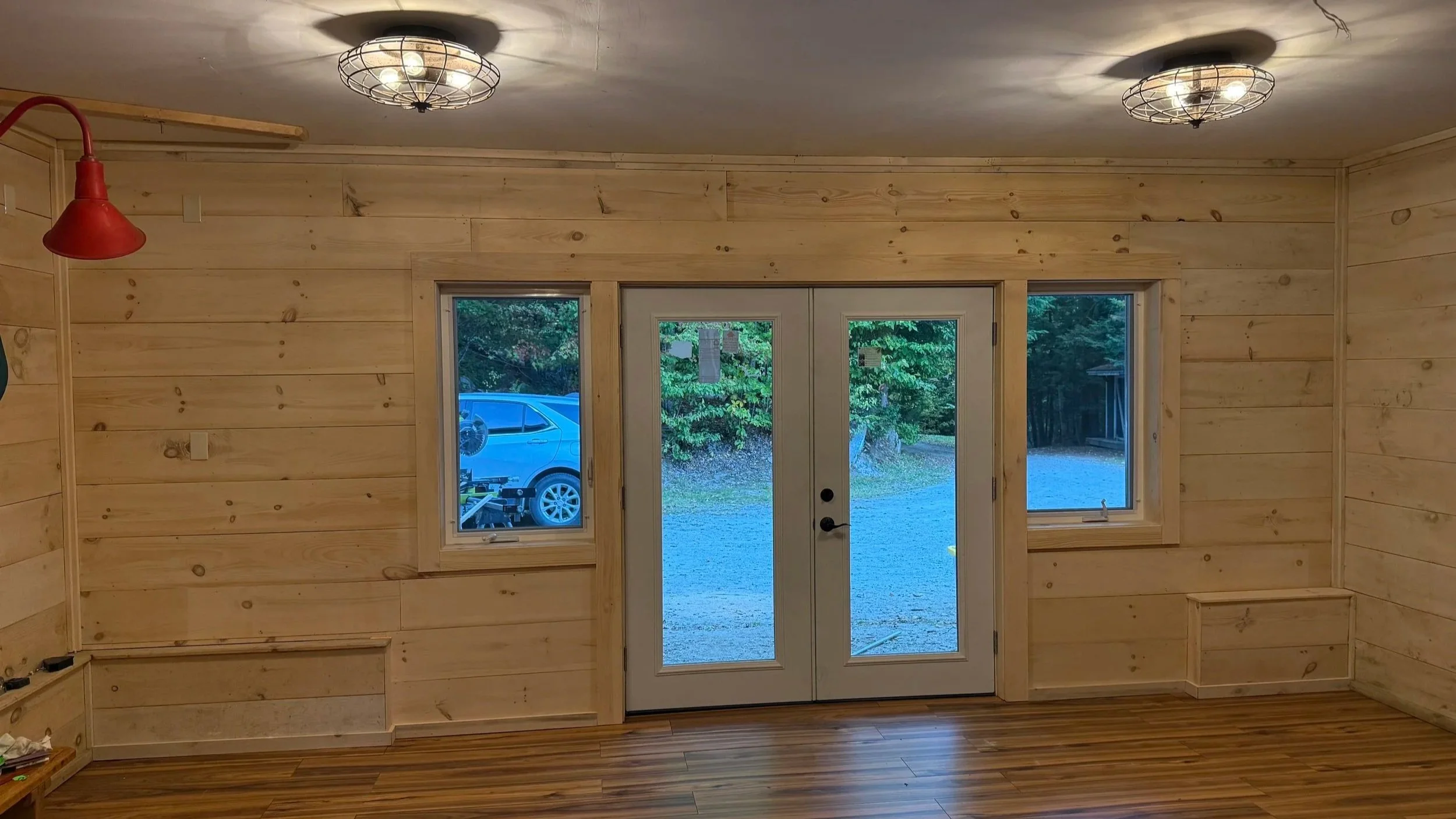
Locating Drafts Before the First Cold Snap
The most reliable test doesn't require any tools: run a hand slowly along the perimeter of each window and door frame on a breezy day. Air movement around the frame itself, rather than through the glass, points to failed weatherstripping or a frame that has shifted slightly as the house has settled — a common finding in Vermont homes that have been through decades of freeze-thaw cycles.
Weatherstripping and Caulking: The First Line of Defense
Door weatherstripping compresses and cracks with age, particularly after repeated seasons of expansion and contraction. Window caulking follows the same pattern. A gap no wider than a pencil is enough to let a meaningful volume of cold air through over the course of a winter — enough, in many cases, to noticeably affect a heating bill. Evergreen Property Care treats replacing worn weatherstripping and re-caulking window frames as standard fall maintenance rather than something to defer until a draft becomes obvious.
Testing Operation, Not Just Seal
A window or door that sticks, doesn't latch fully, or fails to hold itself open is often signaling an early frame or hardware problem — one that a fresh bead of caulk won't fix. Seal and operation need to be evaluated together, since a door that doesn't close flush against its frame will leak heat no matter how new the weatherstripping is.

When Repair Stops Being the Right Answer
Certain signs point toward replacement rather than another round of resealing: fogging between double-pane glass (a sign the seal has failed and the insulating gas has escaped), visible frame rot, or sashes that no longer stay open on their own. Vermont's wide seasonal temperature swings are hard on window and door assemblies, and a chronically drafty window often pays back the cost of replacement through reduced heating use faster than most homeowners expect.
Fall checklist at a glance:
- Feel for drafts along every frame perimeter, not just the glass
- Check weatherstripping for compression, cracking, or gaps
- Test that each window and door latches and holds fully closed
- Look for fogging between panes or visible frame rot
- Note anything that sticks, doesn't seal, or won't stay open
Frequently Asked Questions
How do I know if my windows need replacing instead of just resealing?
Fogging between panes, visible frame rot, or sashes that no longer stay open on their own indicate that resealing won't resolve the underlying failure, making replacement the more durable fix.
When is the best time to run this checklist in Vermont?
Early-to-mid fall, before nighttime temperatures consistently drop below freezing, leaves enough runway to schedule repairs or replacement before exterior work becomes weather-dependent.
Can drafty doors meaningfully affect a heating bill?
Yes. Continuous air leakage around door frames is one of the most common — and most overlooked — causes of a heating bill that feels disproportionate to how well-insulated the rest of the home appears to be.
Does Evergreen Property Care repair windows and doors, or only replace them?
Both. Evergreen Property Care handles window and door installation and repair, and can determine during a free estimate which of your specific windows or doors are better candidates for repair versus replacement.
If your home is losing heat through drafty windows or doors, Evergreen Property Care offers free estimates for homeowners throughout Rutland and Windsor County, including Killington, Rutland, and Woodstock. Getting ahead of it now means one less thing to deal with once winter sets in.