
Holiday Home Safety in Vermont: Fire, Electrical & Carbon Monoxide Tips
Is Your Vermont Home Ready for the Most Dangerous Season of the Year?
The holiday season brings warmth, celebration, and time spent indoors, but in Vermont, it also marks the most hazardous period for residential safety. From Thanksgiving through New Year’s, homes across Rutland County, Killington, Woodstock, Ludlow, and Pittsfield experience a sharp increase in fire incidents, electrical failures, and carbon monoxide exposure.
Holiday decorations draw extra power. Fireplaces and wood stoves run daily. Space heaters supplement aging heating systems. Doors stay closed, windows stay sealed, and fresh air circulation drops dramatically. When combined with Vermont’s older housing stock and long winter nights, the risks compound quickly.
Historic homes in Woodstock often rely on outdated electrical infrastructure. Ski homes and short-term rentals in Killington and Ludlow see heavy, unfamiliar use. Older primary residences throughout Rutland County may have aging chimneys, furnaces, or venting systems. Seasonal homes in Pittsfield can sit unattended for weeks between visits.
This guide provides clear, practical guidance for preventing fire hazards, electrical overloads, and carbon monoxide exposure—and explains when professional inspection, repair, or seasonal maintenance is essential.
Why Holiday Home Safety Matters More in Vermont
Vermont’s winter climate intensifies risks that already peak during the holidays nationwide.
Several factors make local homes especially vulnerable:
Colder temperatures increase fireplace, furnace, and space-heater usage
Older homes often have outdated wiring, panels, or venting
Tightly sealed buildings trap carbon monoxide more easily
Holiday lighting adds temporary but heavy electrical loads
Rental properties experience higher turnover and unfamiliar use
National fire safety data consistently shows an increase in residential fires and carbon monoxide incidents between Thanksgiving and New Year’s, particularly in cold-weather states. In Vermont, where winter heating systems run continuously and homes are sealed tightly against the cold, the consequences escalate faster.
This is why proactive property care and seasonal maintenance are not optional during the holidays they are a critical part of protecting your home, your guests, and your investment.
The Three Biggest Holiday Home Hazards
Fire Risks During the Holidays
Fire remains the most immediate and destructive holiday hazard.
Common fire risks in Vermont homes include:
Dry Christmas trees placed near heat sources
Candles used for decoration or ambiance
Fireplaces and wood stoves with creosote buildup
Space heaters positioned too close to furniture or décor
Overloaded outlets powering lights and decorations
Homes in Rutland and Woodstock frequently rely on older fireplaces and chimneys that require annual inspection. Ski homes in Killington and Ludlow often see continuous fireplace use by guests unfamiliar with safe operation.
Annual fireplace inspections, chimney cleaning, and fire-risk assessments are among the most effective ways to prevent holiday fires.
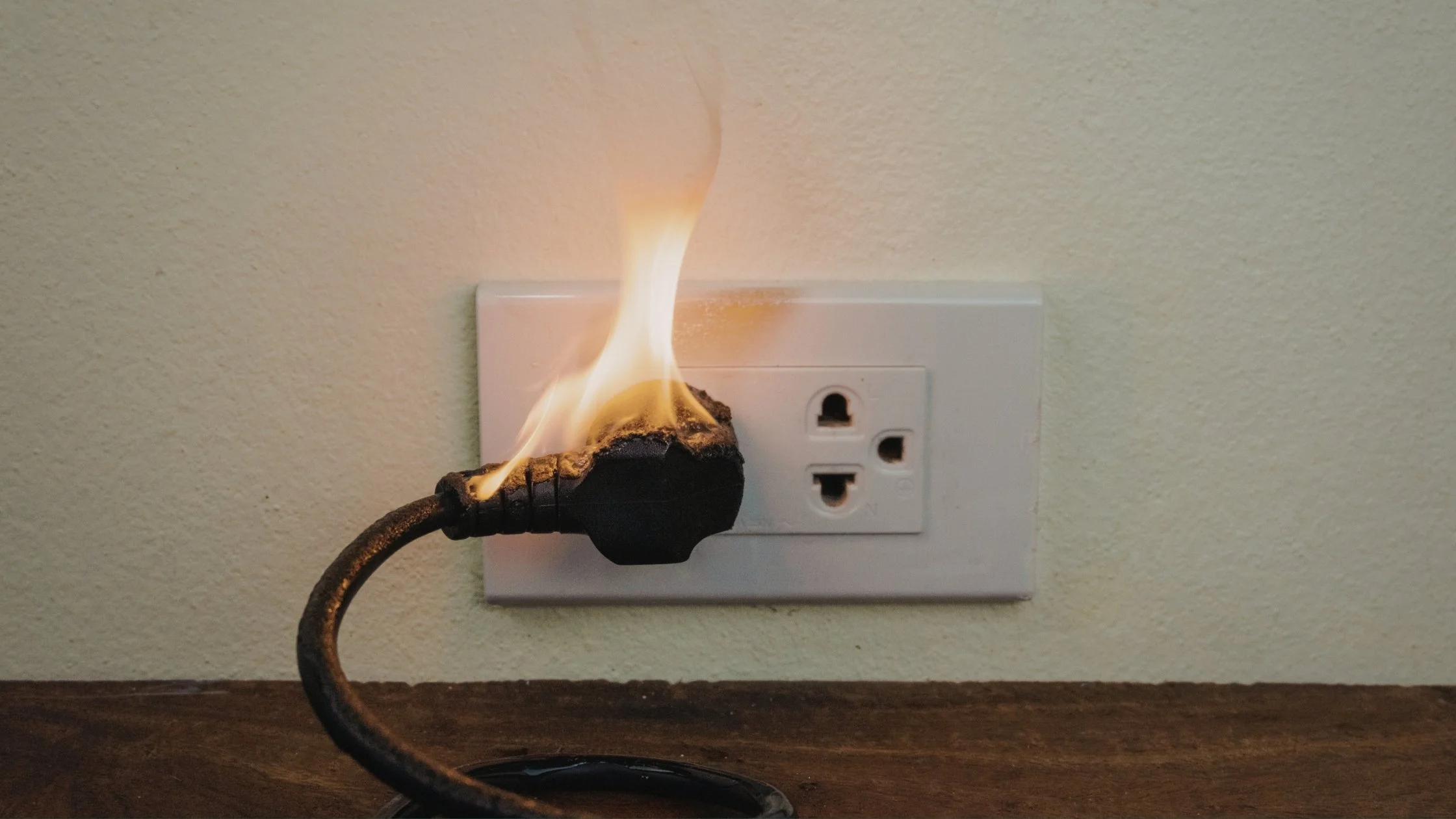
Electrical Overload and Wiring Issues
Holiday décor places exceptional strain on electrical systems.
Warning signs of electrical stress include:
Flickering or dimming lights
Warm or buzzing outlets
Extension cords used as permanent wiring
Power strips overloaded with decorations
Circuit breakers tripping repeatedly
Many Vermont homes were not designed for modern electrical demand. Historic properties throughout Rutland County and Woodstock may still rely on aging panels or legacy wiring systems.
Evergreen Property Care routinely identifies unsafe electrical conditions during seasonal inspections and coordinates repair, renovation, and electrical upgrades to ensure systems can handle winter demand safely.
Carbon Monoxide Dangers
Carbon monoxide is the most dangerous holiday hazard because it is invisible, odorless, and potentially fatal.
Common winter sources include:
Furnaces and boilers
Fireplaces and wood stoves
Blocked exhaust vents or chimneys
Portable generators
Vehicles warming in attached garages
In winter, Vermont homes are sealed tightly to conserve heat. Snow accumulation around vents or chimneys—common in Pittsfield and Killington—can unintentionally block exhaust pathways, allowing carbon monoxide to build indoors.
Proper detector placement, ventilation checks, and heating system inspections are essential parts of winter home safety.
Holiday Fire Safety Checklist for Vermont Homes
Fire prevention starts with simple but deliberate checks.
Key holiday fire safety steps include:
Inspect fireplaces and chimneys before the season begins
Keep live trees watered and away from heat sources
Never leave candles unattended
Maintain at least three feet of clearance around space heaters
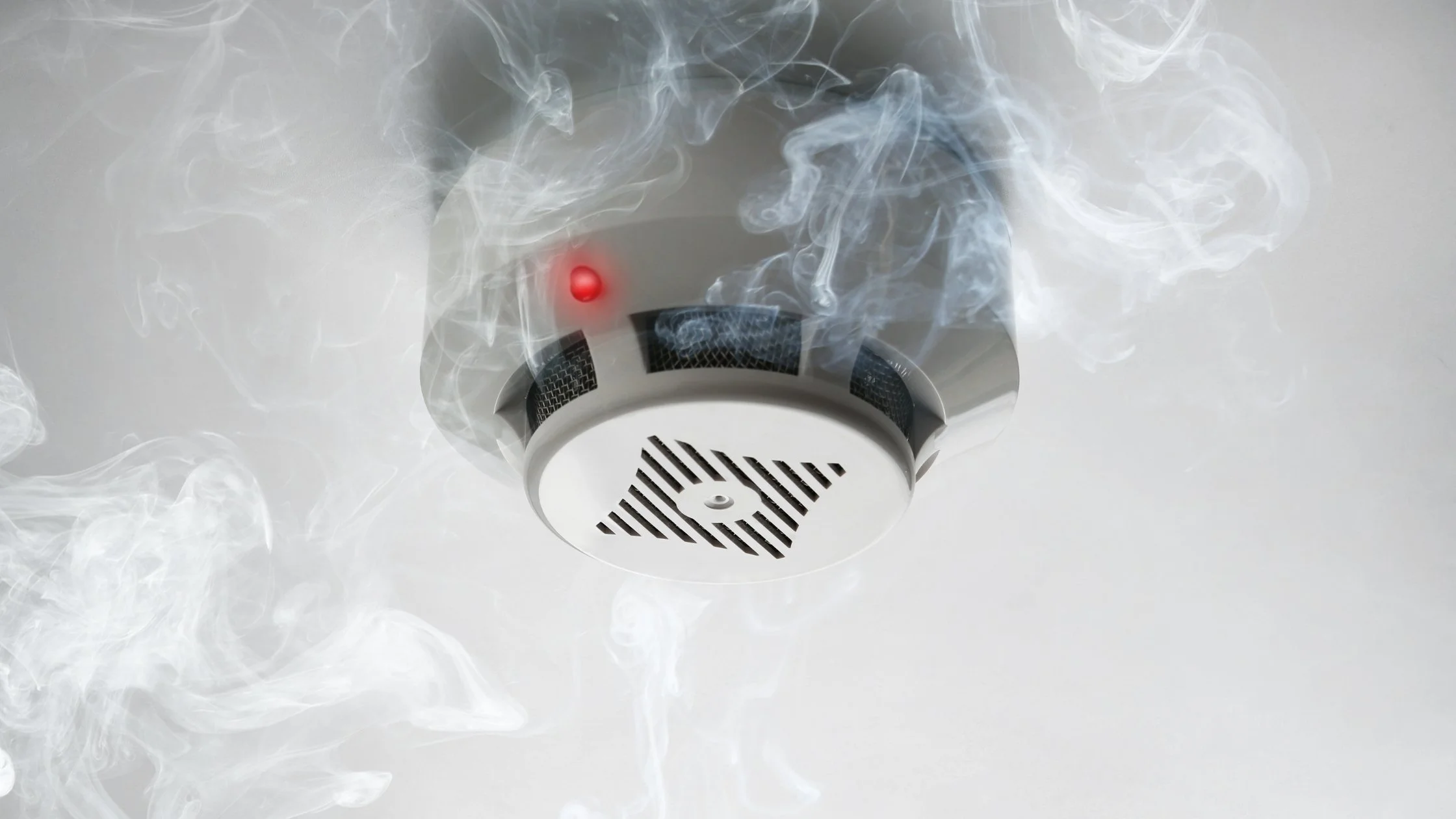
Test smoke alarms on every level of the home
Use flame-retardant decorations whenever possible
Evergreen Property Care provides fireplace inspections, repair coordination, and seasonal safety evaluations to help homeowners reduce fire risk before the holidays begin.
Electrical Safety Tips During the Holidays
Lighting and Decorations
Use outdoor-rated lights outdoors only
Replace damaged cords immediately
Avoid running cords under rugs or through doorways
Do not connect multiple extension cords together
Turn decorative lighting off overnight or when away
Panels, Outlets, and Load Capacity
Older Vermont homes may require professional evaluation if you notice:
Frequent breaker trips
Warm outlets or switch plates
Discolored outlets
Insufficient panel capacity
Electrical evaluations and panel upgrades are common renovation and repair projects Evergreen coordinates for homeowners preparing for winter.
Carbon Monoxide Prevention Essentials
Carbon monoxide prevention requires redundancy and vigilance.
Essential steps include:
Install CO detectors near bedrooms and fuel-burning appliances
Test detectors monthly and replace batteries annually
Keep vents and flues clear of snow and ice
Never run generators or grills indoors
Schedule annual heating system inspections
Evergreen helps homeowners coordinate heating system evaluations, venting repairs, and seasonal safety checks to reduce CO risk.
Holiday Safety Tips for Vermont Rental and Seasonal Homes
Rental and seasonal properties require additional care during the holidays.
Owners in Killington, Ludlow, and Pittsfield should:
Provide clear instructions for fireplace and heater use
Schedule pre-holiday inspections
Verify smoke and CO detectors are functional
Remove unsafe décor from guest areas
Plan emergency access and snow removal
Evergreen Property Care supports rental management and seasonal property care, helping owners protect guests while preserving long-term property value.
Warning Signs You Should Not Ignore
Contact a professional immediately if you notice:
Burning smells
Flickering or dimming lights
Warm outlets or switches
Frequent breaker trips
Headaches, dizziness, or nausea indoors
Soot around vents or fireplaces
These are early indicators of serious safety issues—not inconveniences.
Protect Your Home Before the Holidays
The holidays should be about comfort and peace of mind not emergency repairs.
Proactive inspections, targeted repairs, and thoughtful seasonal maintenance significantly reduce the risk of fire, electrical failure, and carbon monoxide exposure.
Whether you need a holiday safety inspection, repairs, or help preparing a primary residence, rental, or seasonal home, Evergreen Property Care is ready to help.
CLICK HERE to Schedule or Reach out to us at (802) 444-1372 or info@evergreenpropertycare.com