
Rutland County Home Winterization Checklist
Winter in Vermont is not a short event it is a season that tests every component of a home for months at a time. Sustained freezing temperatures, snow load, ice, wind exposure, and repeated freeze–thaw cycles create conditions where small oversights can escalate into structural damage, system failures, and expensive emergency repairs.
A proper home winterization checklist is not about rushing through a few tasks before the first snowfall. It is a systematic review of how a property manages heat, moisture, water, and access during prolonged cold. From primary residences in Rutland to vacation homes near Killington and short-term rentals in Woodstock, Ludlow, and Pittsfield, Vermont properties require deliberate, climate-specific preparation.
This checklist outlines what actually matters, why timing is critical, and how winterization fits into long-term property care not just seasonal survival.
When Winterization Should Begin in Vermont
The ideal window for winterization in Vermont is early fall, typically late September through October. By November, ground temperatures drop, materials become less workable, and service providers shift from preventative maintenance to emergency response.
Key seasonal markers include:
First hard freeze often occurs in October
Ground frost sets in by early November
Snow accumulation limits exterior access and repairs
Homes that enter winter already sealed, insulated, and inspected are far less likely to experience mid-season failures.
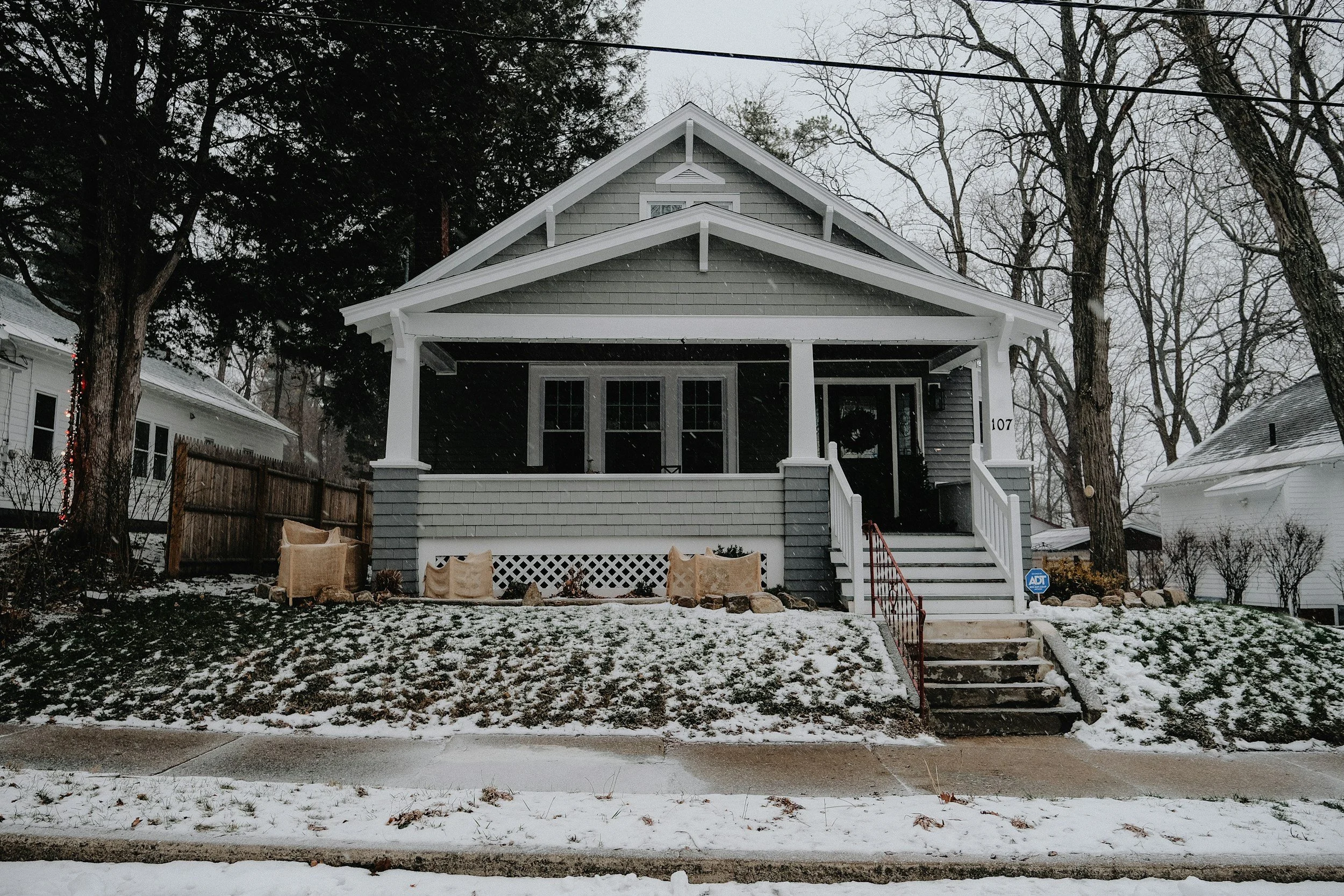
Exterior Envelope: Controlling Heat Loss and Moisture
The exterior envelope roof, siding, windows, doors, and foundation is the primary barrier between conditioned interior space and Vermont’s winter environment.
Roofs, Snow Load, and Ice Management
Roof systems should be inspected before winter for loose shingles, compromised flashing, and signs of previous ice dam activity. Ice dams are a symptom of heat loss and poor airflow, not simply heavy snow.
Preventative considerations include:
Verifying attic insulation and air sealing
Confirming roof drainage paths
Identifying vulnerable valleys, dormers, and eaves
Snow load is a structural concern, particularly for older homes common in Rutland County and historic areas like Woodstock.
Windows and Doors: Air Infiltration Control
Uncontrolled air leakage around windows and doors can account for up to 30 percent of heat loss in older homes. Settled frames, worn weatherstripping, and outdated installations are common contributors.
Addressing these issues improves comfort immediately and reduces heating system strain throughout winter.
Attic and Insulation Review
Insulation performance is about consistency as much as depth. Vermont homes benefit from attic insulation values around R-49, but gaps, compression, or uneven coverage allow localized heat loss that triggers ice dams and energy waste.
Common problems include:
Settled loose fill insulation
Missing insulation near eaves
Unsealed attic penetrations
Air sealing around attic hatches, plumbing penetrations, and electrical runs is often the most impactful winterization repair available.
Heating Systems and Mechanical Reliability
Heating systems in Vermont are not convenience systems—they are mission critical infrastructure. A failure during a cold snap can render a home uninhabitable within hours.
Pre-winter preparation includes:
Professional servicing of boilers, furnaces, or heat pumps
Chimney inspections for wood or pellet systems
Fuel supply planning for extended cold periods
Properties with backup heat sources should confirm operational readiness before winter begins.

Plumbing Protection and Freeze Prevention
Frozen pipes remain one of the most common winter emergencies in Vermont. Failures often occur inside walls or crawlspaces, where leaks remain hidden until damage is extensive.
High-risk areas include:
Unheated basements and crawlspaces
Exterior wall plumbing
Seasonal additions
Garage-fed water lines
Winterization may involve pipe insulation, heat tracing, or controlled draining depending on property use and occupancy.
Gutters, Drainage, and Site Conditions
Water management does not stop in winter. Poor drainage can exacerbate ice buildup, foundation stress, and interior moisture issues during thaw cycles.
Seasonal maintenance should address:
Verification of drainage away from foundations
Correction of known grading issues
Landscaping plays a functional role here. Proper fall cleanup reduces ice accumulation and protects walkways, retaining walls, and hardscapes from frost heave.
Walkways, Access Points, and Safety Planning
Winter access is a safety issue as much as a convenience concern. Slips, falls, and blocked exits are common during Vermont winters.
Preparation includes:
Inspecting handrails and steps
Identifying snow storage areas
Planning snow removal routes
For properties with rental use, safe access is a liability consideration that should not be overlooked.
Winterization for Rental and Airbnb Properties
Short-term rentals face elevated winter risk due to inconsistent occupancy. Small issues can persist unnoticed between stays.
Effective rental and Airbnb property management includes:
Documented winterization protocols
Scheduled interior and exterior walkthroughs
Remote monitoring of temperature and power status
In high-demand areas like Killington and Woodstock, winter reliability directly impacts bookings and reviews.
Cost Perspective: Prevention vs Emergency Repairs
Comprehensive winterization costs vary by property size, age, and complexity, but they are consistently lower than emergency repair scenarios.
Typical investments include:
Seasonal inspections and maintenance in the low four figures
Targeted repairs and insulation upgrades as needed
By contrast, frozen pipe repairs, water damage remediation, or roof failures can quickly exceed five figures. Preventative care remains the more predictable and economical approach.
Why Vermont-Specific Property Care Matters
Vermont housing stock spans centuries, elevations vary widely, and exposure conditions differ town by town. Effective winterization requires local knowledge, not generic checklists.
Evergreen Property Care works with homeowners, rental owners, and property managers across Rutland, Killington, Woodstock, Ludlow, Pittsfield, and surrounding Vermont communities to provide structured seasonal maintenance, inspections, and repair coordination. Their focus is long-term property performance, not last-minute fixes.
Enter Winter Prepared, Not Reactive
Winter will test every system in a home. Properties that perform well are those prepared deliberately, with attention to details that are invisible once snow arrives.
A comprehensive winterization checklist is not a one-time task it is part of responsible property care in Vermont.
CLICK HERE to Schedule or Reach out to us at (802) 444-1372 or info@evergreenpropertycare.com