
Renovating Older Mountain Homes in Mendon Vermont
Older mountain homes in Mendon occupy a unique niche within Vermont’s housing stock. Nestled between Rutland and the Killington Pico corridor, Mendon properties often sit at transitional elevations that combine valley moisture patterns with true mountain snow loads, creating renovation challenges distinct even from nearby ski towns. Many were built decades ago as seasonal ski cabins, hunting lodges, or modest vacation retreats, long before modern building science, energy codes, or year-round occupancy demands shaped construction standards. Today, these homes are being asked to perform as primary residences, luxury second homes, or high-performing short-term rentals—all in one of the most demanding climates in the state.
Renovating an older mountain home in Mendon is rarely a cosmetic exercise. It is a process of uncovering how the structure has weathered decades of snow load, wind exposure, moisture migration, and freeze–thaw cycling, then correcting weaknesses while preserving character. Understanding what to expect before work begins can save months of frustration, protect budgets, and lead to far more durable results.
Why Older Mountain Homes Renovate Differently
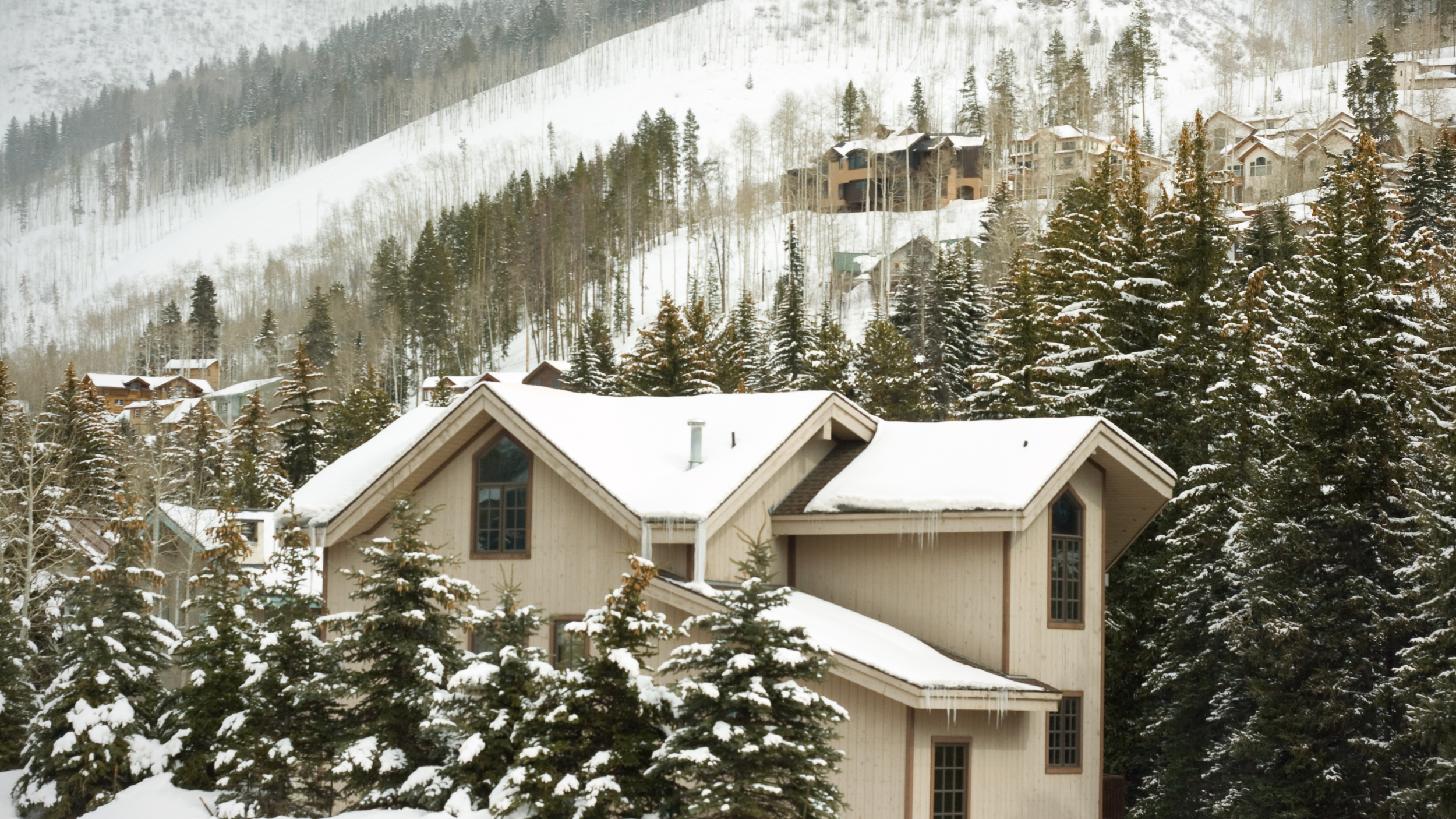
Mountain environments accelerate aging in ways that lowland properties do not experience. Mendon homes are exposed to higher elevations, heavier snow accumulation, stronger winds, and longer winter seasons than most areas of Vermont.
Many homes built between the 1960s and 1980s were constructed under assumptions that no longer apply. Roof framing was often designed for lighter snow loads. Insulation standards were minimal. Moisture control relied more on luck than design. Over time, these assumptions reveal themselves through sagging rooflines, chronic ice dams, drafty interiors, and hidden structural fatigue.
A successful renovation starts with acknowledging that these homes have been operating under stress for decades and that upgrades must address root causes, not just visible symptoms.
Structural Evaluation Is Not Optional
Before finishes, layouts, or aesthetics are discussed, older mountain homes require a thorough structural assessment. Common findings include undersized framing members, modified load paths from past renovations, and foundations showing signs of long-term moisture exposure.
Snow load is a primary driver. Repeated winters of heavy accumulation can slowly deform roof structures, especially in homes with long spans, cathedral ceilings, or additions that altered original framing. These issues are often invisible until ceilings are opened or rooflines are measured carefully.
Correcting structural deficiencies early prevents redesigns mid-project and avoids compounding problems during later phases of construction.
Roof Systems and Snow Management
Roofs are the most heavily taxed component of Mendon homes. Older roofing systems frequently lack modern ice-and-water protection, continuous air barriers, or effective ventilation strategies.
Renovation projects often reveal roof assemblies that must be rebuilt or reinforced to meet current performance expectations. This may include upgrading underlayment systems, improving ventilation pathways, or addressing framing deficiencies caused by long-term snow load stress.
Roof improvements are not simply protective—they directly influence interior comfort, energy efficiency, and moisture control throughout the home.
Insulation, Air Sealing, and Thermal Performance
One of the most impactful renovation opportunities in older mountain homes is correcting thermal deficiencies. Inconsistent insulation coverage, air leakage at framing transitions, and thermal bridging are common.
Homes renovated in phases over decades often contain multiple insulation strategies layered on top of one another, none of them continuous. This creates unpredictable heat loss patterns that contribute to ice dams, high energy costs, and occupant discomfort.
Modern renovation approaches prioritize continuity: aligning insulation, air barriers, and vapor control so the building envelope works as a unified system. These upgrades are rarely visible once completed, but they fundamentally change how the home performs in winter.
Plumbing and Mechanical Upgrades in Cold Zones
Plumbing systems in older Mendon homes were frequently routed for convenience rather than freeze protection. Pipes running through exterior walls, crawlspaces, or unconditioned chases remain a leading cause of winter failures.
Renovations commonly involve re-routing supply lines, upgrading materials, and improving access for future maintenance. Heating systems also require careful evaluation. Equipment sized decades ago may be inefficient, undersized, or nearing the end of its service life.
Mechanical upgrades are often staged alongside other renovations to minimize disruption while improving reliability during extended cold periods.
Electrical Systems and Modern Demands
Electrical infrastructure in older mountain homes often reflects years of incremental changes. Panels may be undersized, wiring methods outdated, and grounding inconsistent.
Renovations typically require electrical upgrades to meet current codes and support modern usage patterns. Many homeowners also plan for future loads such as electric vehicle charging, backup power systems, or supplemental heating.
Addressing electrical capacity early prevents limitations later in the renovation process.
Seasonal Timing and Construction Windows
Renovation timelines in Mendon are heavily influenced by seasonality. Exterior work is largely constrained to late spring through early fall, when snow cover recedes and ground conditions stabilize.
Interior renovations can proceed during winter, but access, material delivery, and workforce availability must be factored into schedules. Weather delays and limited daylight hours are normal realities rather than exceptions.
Projects planned with realistic seasonal expectations tend to experience fewer cost overruns and scheduling conflicts.
Access, Logistics, and Site Constraints
Mountain properties often present logistical challenges. Steep driveways, narrow roads, and limited staging areas affect how materials and equipment reach the site.
Renovations may require phased deliveries, temporary access improvements, or modified construction sequencing. These factors influence labor efficiency and should be considered during budgeting, not discovered mid-project.
Landscaping, Drainage, and Site Restoration
Renovating an older mountain home often disturbs surrounding soils and established drainage patterns. In steep or wooded settings, improper restoration can lead to erosion, water intrusion, or foundation stress.
Thoughtful landscaping supports renovation success by directing water away from structures, stabilizing slopes, and protecting hardscapes from frost movement. Site work should be integrated into renovation planning rather than deferred until the end.
Renovating for Rental or Short-Term Use
Many Mendon homes function as short-term rentals or seasonal accommodations. Renovations for these properties must balance durability, ease of maintenance, and guest expectations.
Design choices often favor robust materials, simplified systems, and layouts that accommodate frequent turnover. Mechanical reliability and winter resilience are particularly important, as failures can disrupt bookings and damage reputations.
Budget Expectations and Contingency Planning
Renovating older mountain homes typically requires larger contingencies than standard residential projects. Hidden conditions are common, and material costs fluctuate based on season and access.
Experienced renovation teams anticipate discovery and plan accordingly. A realistic contingency—often 10–20 percent depending on scope—reduces stress and allows projects to adapt without major disruption.
The Importance of Local Renovation Experience
Mountain renovations demand regional knowledge. Understanding snow load behavior, permitting requirements, access limitations, and Vermont’s climate patterns is critical to successful outcomes.
Evergreen Property Care works with homeowners in Mendon and surrounding Vermont communities on renovation and repair projects informed by local conditions. Their approach emphasizes durability, careful sequencing, and long-term performance rather than quick cosmetic upgrades.
Setting Expectations Leads to Better Results
Renovating an older mountain home is an investment in longevity as much as aesthetics. Projects succeed when structural realities are addressed, systems are modernized thoughtfully, and schedules respect environmental constraints.
With informed planning and experienced guidance, older Mendon homes can be transformed into resilient, comfortable properties capable of withstanding Vermont’s demanding mountain environment.
CLICK HERE to Schedule or Reach out to us at (802) 444-1372 or info@evergreenpropertycare.com