
Bathroom and Kitchen Remodel Trends in Rutland Vermont
In Rutland, kitchens and bathrooms carry more weight than any other rooms in the house. They are the most heavily used spaces, the most expensive to renovate, and the first areas buyers and guests evaluate—whether the home is owner‑occupied, rented, or used as a short‑term stay. As housing stock in Rutland County continues to age, remodel trends are being shaped less by design fads and more by performance, durability, and long‑term value.
Unlike larger metro areas, remodel decisions in Rutland are influenced by climate, lifestyle, and the realities of older construction. Many homes were built decades ago with layouts, plumbing, and electrical systems that no longer meet modern expectations. As a result, today’s kitchen and bathroom renovations are increasingly strategic, focusing on functionality, efficiency, and resilience as much as aesthetics.
Why Kitchens and Bathrooms Drive Renovation Decisions
Kitchens and bathrooms account for a disproportionate share of renovation budgets—and for good reason. These spaces combine multiple systems in tight footprints: plumbing, electrical, ventilation, finishes, and structural elements all intersect.
In Rutland homes, especially those built before the 1980s, kitchens and bathrooms often reveal the greatest mismatch between original construction and current use. Limited counter space, inefficient layouts, outdated fixtures, and inadequate ventilation are common starting points for renovation discussions.
Remodels in these spaces tend to deliver the strongest return on investment, particularly when upgrades improve usability and reduce long‑term maintenance.
Kitchen Remodel Trends Shaping Rutland Homes
Layout Optimization Over Expansion
Many Rutland kitchens are constrained by existing footprints. Rather than costly additions, current trends favor reworking layouts within the existing envelope. Removing partial walls, relocating appliances, and improving circulation often yield dramatic improvements without altering the home’s exterior.
Efficiency has become more important than sheer size. Homeowners are prioritizing functional work zones, improved storage, and better sightlines—especially in homes that serve both daily living and entertaining.
Durable, Low‑Maintenance Surfaces
Material selection in Rutland kitchens reflects a shift toward durability. Quartz countertops, high‑quality laminates, and sealed natural stone are replacing materials that require frequent upkeep. Cabinetry trends favor solid construction with straightforward profiles rather than ornate detailing.
These choices reflect practical concerns: temperature swings, heavy use, and the desire to minimize ongoing maintenance costs.
Energy‑Conscious Appliances and Lighting
Modern kitchen remodels increasingly integrate energy‑efficient appliances and LED lighting. While utility savings alone may not justify the upgrade, improved performance, reliability, and longevity are strong motivators.
Electrical upgrades are often required to support these systems, especially in older Rutland homes where panel capacity and wiring standards lag behind modern demands.
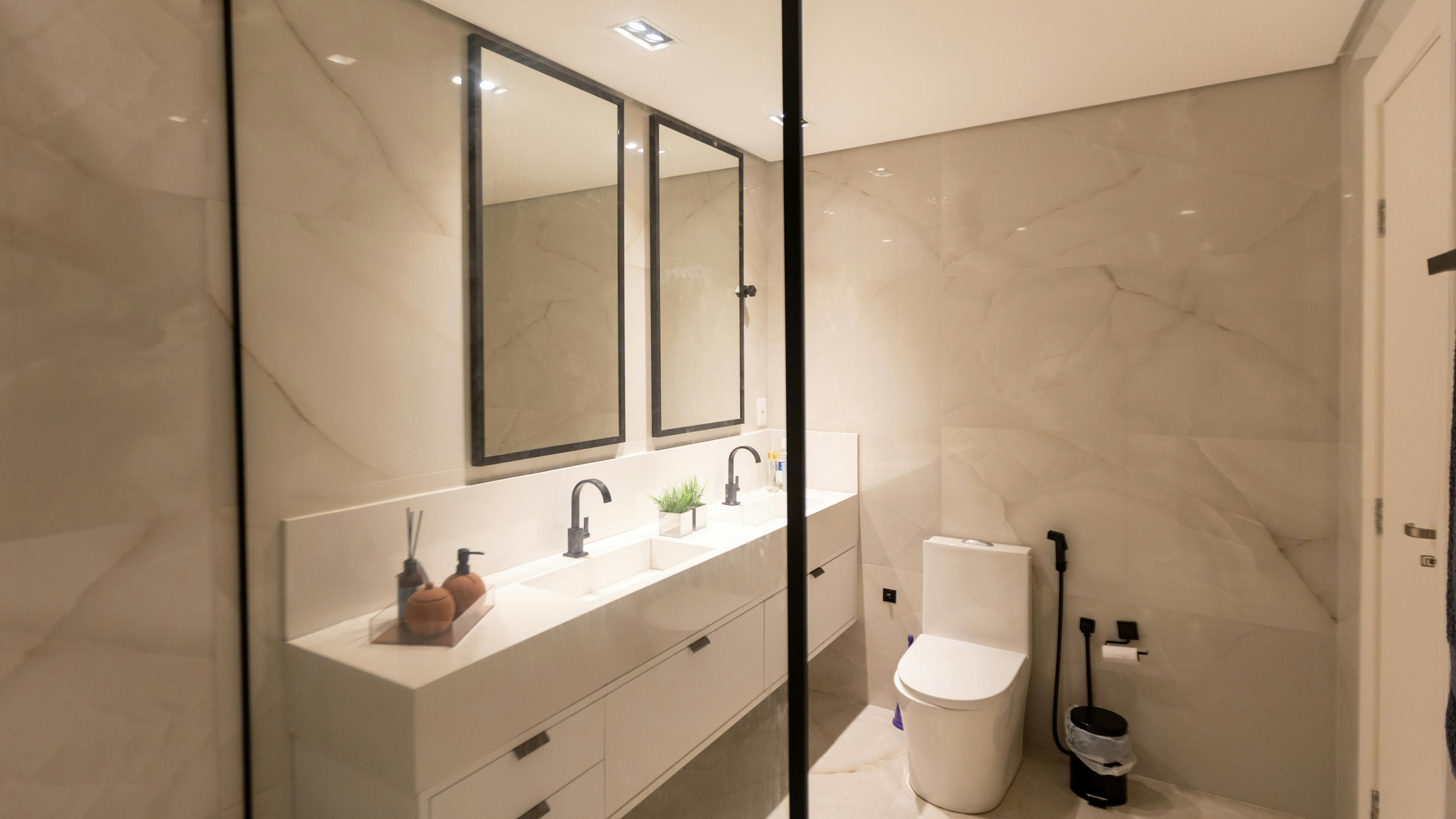
Bathroom Remodel Trends in Rutland Properties
Function‑First Design
Bathrooms in older homes were rarely designed for today’s routines. Small footprints, limited storage, and poor ventilation are common complaints.
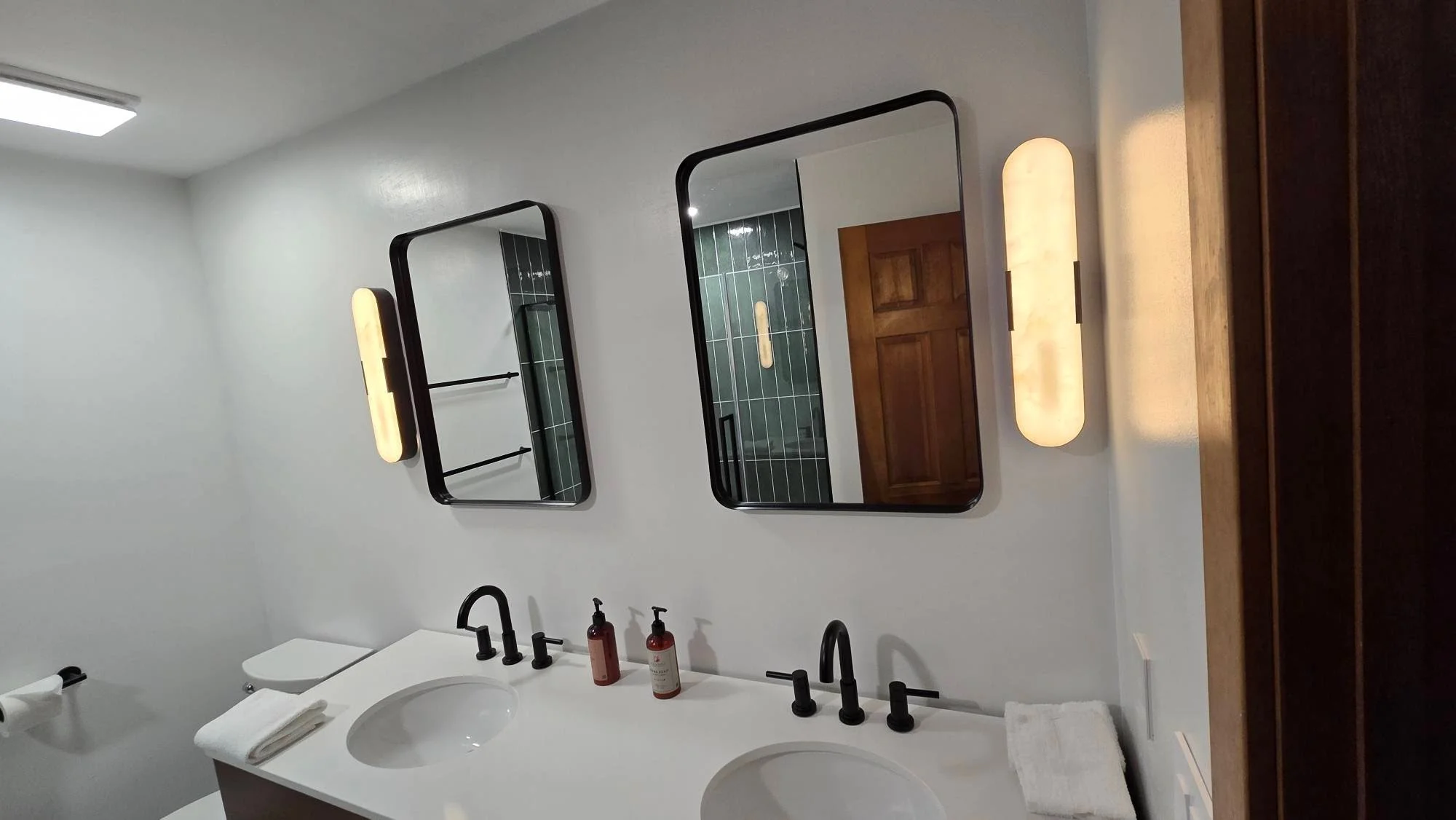
Current trends emphasize functional improvements: walk‑in showers, better lighting, improved ventilation, and layouts that reduce congestion. These upgrades improve daily comfort while also reducing moisture‑related issues such as mold and material degradation.
Moisture‑Resilient Materials
Rutland’s climate makes moisture management a critical consideration. Tile systems with proper waterproofing, solid‑surface shower surrounds, and sealed flooring materials are increasingly favored over finishes that deteriorate under repeated exposure.
Proper substrate preparation and ventilation upgrades are as important as the visible finishes themselves.
Aging‑in‑Place Considerations
Even when homeowners are not planning immediate accessibility upgrades, many bathroom remodels now incorporate features that support long‑term use. Curbless showers, reinforced walls for future grab bars, and wider clearances are becoming standard considerations.
These features add little cost during renovation but significantly extend the home’s usability.
Plumbing and Electrical Upgrades Behind the Walls
One of the most overlooked aspects of kitchen and bathroom remodeling is what happens behind finished surfaces. In Rutland homes, plumbing and electrical systems are frequently undersized, outdated, or modified through decades of piecemeal repairs.
Modern remodels often require:
Replacement or re‑routing of supply and drain lines
Electrical circuit upgrades to meet code and usage demands
Improved grounding and ventilation systems
Addressing these elements during renovation reduces the likelihood of future failures and improves overall system reliability.
Seasonal Timing and Remodel Scheduling
Seasonality plays a meaningful role in renovation planning in Vermont. Many homeowners prefer to schedule kitchen and bathroom remodels outside of peak winter months, when access, material delivery, and temporary utility disruptions are more challenging.
Spring through early fall remains the most popular renovation window in Rutland. However, interior remodels can proceed year‑round with proper planning. Clear timelines, staged work, and realistic scheduling expectations are key to minimizing disruption.
Cost Ranges and Budget Expectations
Kitchen and bathroom remodel costs in Rutland vary widely depending on scope, material selection, and existing conditions. Smaller cosmetic updates may fall in the mid five‑figure range, while full renovations involving layout changes and system upgrades can exceed that significantly.
Older homes should always include contingency allowances. Hidden conditions—such as water damage, outdated wiring, or structural adjustments—are common discoveries once demolition begins.
A well‑planned budget accounts for both visible finishes and the less obvious infrastructure improvements that ensure longevity.
Remodel Trends for Rental and Short‑Term Properties
Rutland’s mix of long‑term rentals and short‑term accommodations influences remodel priorities. Kitchens and bathrooms in rental properties must balance durability, ease of maintenance, and broad appeal.
Neutral finishes, robust fixtures, and simplified layouts tend to outperform highly personalized designs. For short‑term rentals, efficient turnover and reduced maintenance calls are major drivers of design decisions.
Remodels that improve reliability and reduce emergency repairs often pay for themselves through lower operating costs.
The Role of Local Experience in Remodel Success
Kitchen and bathroom remodels are among the most complex renovation projects a homeowner can undertake. Success depends on coordination between trades, understanding of local codes, and familiarity with the quirks of older Rutland homes.
Evergreen Property Care works with homeowners and property owners throughout Rutland and surrounding communities to plan and execute kitchen and bathroom renovations that prioritize durability, performance, and long‑term value. Their approach emphasizes careful assessment, realistic planning, and quality execution rather than trend‑driven shortcuts.
Remodeling With Long‑Term Value in Mind
Trends come and go, but well‑executed kitchen and bathroom remodels endure. In Rutland homes, the most successful renovations are those that respect the existing structure while updating systems and finishes to meet modern needs.
When kitchens and bathrooms are designed for performance as well as appearance, they continue to add value long after the renovation dust settles.
CLICK HERE to Schedule or Reach out to us at (802) 444-1372 or info@evergreenpropertycare.com