
Emergency Property Repairs in Vermont: What to Do
Property emergencies rarely announce themselves at convenient times. In Vermont, they often arrive during the worst possible conditions: subzero temperatures, heavy snowstorms, power outages, or peak tourist weekends. A frozen pipe at midnight, storm damage during a nor’easter, or a heating failure on a January morning can escalate from a nuisance to a serious structural and financial issue within hours.
Handling emergency property repairs effectively is not about panic response. It is about preparation, decision-making under pressure, and understanding how Vermont’s climate amplifies risk. Whether you own a primary residence in Rutland, a ski property near Killington, or a short-term rental in Woodstock, Ludlow, or Pittsfield, knowing how to respond can prevent minor damage from becoming a full-scale renovation.
This guide explains what constitutes a true property emergency, how to stabilize situations safely, and when professional intervention is the only responsible option.
What Qualifies as an Emergency Property Repair
Not every issue requires immediate action, but true emergencies share one trait: delayed response increases damage exponentially.
Common Vermont property emergencies include heating system failures during winter, frozen or burst plumbing, roof damage leading to active water intrusion, electrical hazards, structural failures caused by snow load, and storm-related impacts such as fallen trees or ice damage.
In Vermont’s climate, even a few hours of inaction can result in cascading failures. For example, a frozen pipe may burst once temperatures rise, or a minor roof breach can saturate insulation before leaks become visible indoors.
First Priority: Safety and Damage Containment
Before any repair work begins, safety comes first. Electrical hazards, gas leaks, and unstable structures should never be approached without proper training or equipment.
Once safety is established, the immediate goal is containment. Stopping water flow, isolating power to affected areas, or temporarily protecting openings from weather intrusion can dramatically reduce overall damage.
These stabilization measures are not permanent repairs. They buy time and limit exposure until qualified professionals can assess the situation.
Why Vermont Emergencies Escalate Faster
Vermont’s environment accelerates damage progression. Freezing temperatures can immobilize systems, while thaw cycles introduce water into vulnerable assemblies. Snow accumulation and wind-driven ice compound structural stress.
Rural geography also plays a role. In areas outside Rutland County or in mountain regions near Killington and Pittsfield, response times may be longer due to weather conditions or limited service availability. This makes early action even more critical.
Heating System Failures: A True Winter Emergency
Loss of heat in winter is one of the most serious emergencies a Vermont property can face. Indoor temperatures can drop rapidly, placing plumbing, finishes, and occupants at risk.
Immediate steps include maintaining interior heat using safe auxiliary sources if available, protecting plumbing lines from freezing, and contacting qualified service providers immediately. Prolonged outages often require coordinated repairs and temporary mitigation strategies.
For rental and Airbnb properties, heating failures can trigger guest relocations, refunds, and reputational damage if not handled decisively.
Frozen and Burst Pipes
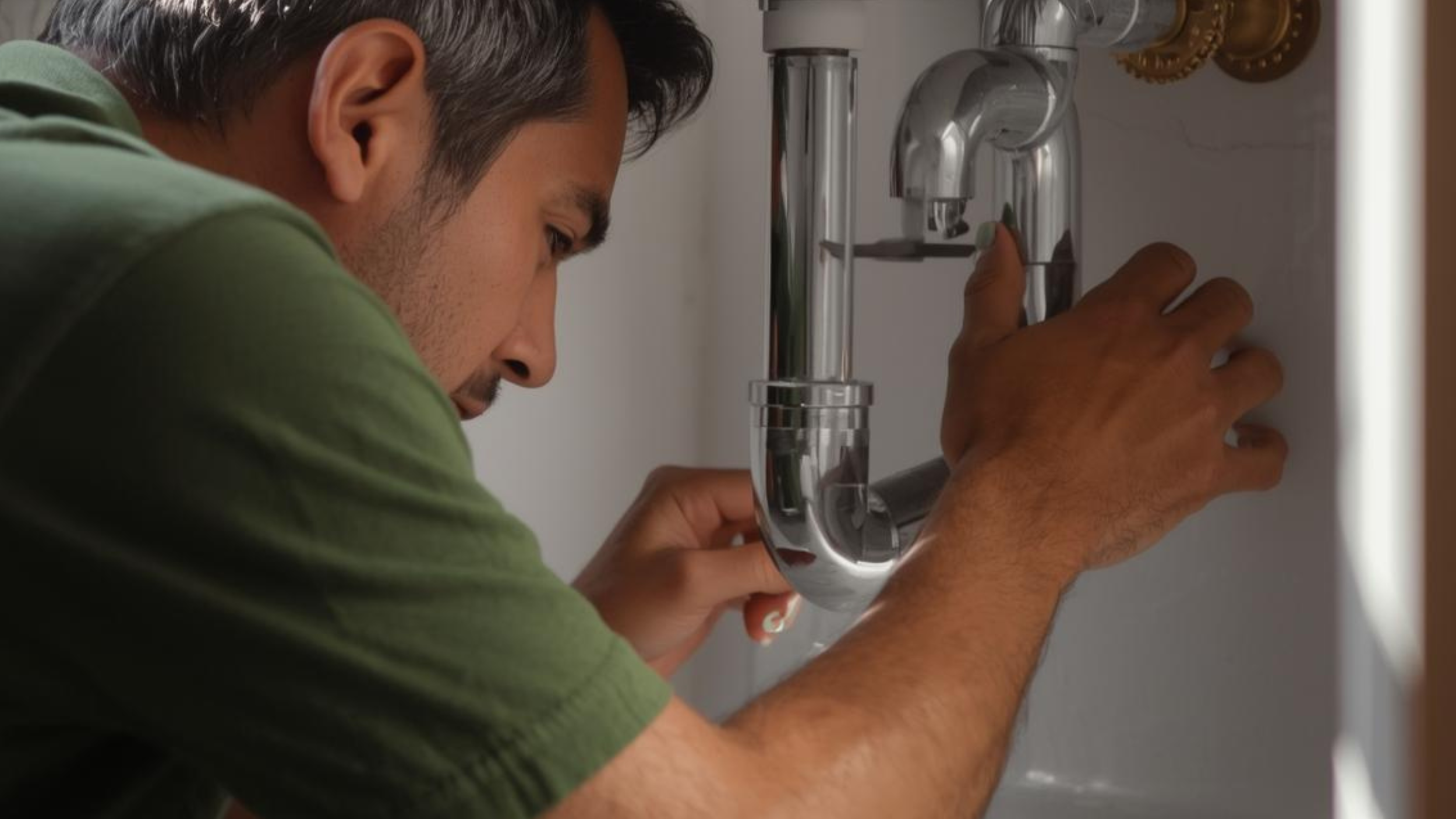
Frozen pipes are deceptively dangerous. The visible issue often appears minor until the pipe thaws and ruptures, releasing significant volumes of water.
Emergency response focuses on shutting off water supply, relieving pressure, and preventing further freezing. Drying and damage assessment must follow quickly to avoid mold growth and structural degradation.
Older homes in Woodstock and Rutland frequently have plumbing routed through exterior walls or unconditioned spaces, increasing vulnerability.
Roof and Structural Damage
Roof failures during winter are rarely dramatic collapses. More often, they involve compromised flashing, ice dam-related intrusion, or snow load stress that causes subtle deformation.
Active leaks require immediate containment to protect insulation and interior finishes. Structural concerns, especially related to snow load, demand professional evaluation before conditions worsen.
Attempting DIY roof repairs in winter conditions is both unsafe and ineffective.
Electrical and Power-Related Emergencies
Power outages are common during Vermont storms, but electrical emergencies go beyond temporary loss of service. Water intrusion into electrical systems, damaged service entrances, or compromised panels require immediate attention.
Generators and temporary power solutions must be used carefully to avoid carbon monoxide exposure or electrical hazards.
Storm Damage and External Impacts
Fallen trees, ice accumulation, and wind-driven debris frequently damage Vermont properties. Even when structures appear intact, hidden damage to roofs, siding, and drainage systems may exist.
Emergency repairs often focus on clearing hazards, securing openings, and preventing secondary damage while comprehensive assessments are conducted.
The Role of Documentation During Emergencies
Thorough documentation is often overlooked during emergencies but plays a critical role in insurance claims and repair planning.

Photographs, timestamps, service records, and written summaries help establish damage timelines and scope. This is especially important for rental properties and second homes where owners may not be on-site.
Emergency Repairs vs Long-Term Solutions
Emergency repairs stabilize conditions; they rarely resolve root causes. Vermont properties that experience repeated emergencies often suffer from deferred maintenance or outdated construction details.
Post-emergency evaluations frequently reveal the need for renovation-informed repairs, system upgrades, or changes to seasonal maintenance routines.
Addressing underlying issues reduces the likelihood of recurrence and protects long-term property value.
Rental and Airbnb Properties: Elevated Stakes
For rental and Airbnb property management, emergencies carry financial, legal, and reputational consequences. Guests expect rapid response and clear communication regardless of weather conditions.
Effective emergency handling includes having local service partners, documented response protocols, and authority to act quickly without owner approval delays.
In high-demand markets like Killington and Woodstock, emergency preparedness is a competitive advantage.
Why Local, Full-Scope Support Matters
Emergency repairs rarely exist in isolation. Plumbing issues affect structural systems. Roof failures impact insulation and interior finishes. Electrical problems intersect with moisture control.
Evergreen Property Care provides emergency property repair coordination, stabilization, and follow-up repairs across Rutland, Killington, Woodstock, Ludlow, Pittsfield, and surrounding Vermont communities. Their integrated approach connects immediate response with long-term property care, ensuring emergencies do not become recurring events.
Preparedness Reduces Emergencies
While not all emergencies are preventable, many are predictable. Seasonal maintenance, inspections, and proactive repairs dramatically reduce emergency frequency and severity.
Properties that perform best during Vermont winters are those managed with foresight, not reaction.
CLICK HERE to Schedule or Reach out to us at (802) 444-1372 or info@evergreenpropertycare.com