
Snow Removal Best Practices for Every Homeowners
Snow removal in Vermont is not a convenience task—it is a critical component of winter property care. Poor snow management leads to damaged surfaces, unsafe access, ice buildup, drainage failures, and avoidable repairs once spring arrives. Yet many homeowners approach snow removal reactively, responding storm by storm without a long-term plan.
From residential neighborhoods in Rutland to mountain properties in Killington and seasonal homes in Woodstock, Ludlow, and Pittsfield, effective snow removal follows consistent principles rooted in safety, surface protection, and Vermont’s unique winter patterns. This guide outlines best practices that reduce risk, protect your investment, and keep properties functional throughout the snow season.
Understanding Vermont’s Snow Season
Vermont winters are defined by accumulation, not isolated storms. Snowfall begins as early as October in higher elevations and can persist into April. Average annual snowfall ranges from 70 inches in the Champlain Valley to well over 150 inches in mountain regions.
This prolonged exposure creates compounding challenges:
Repeated plowing over frozen ground
Ice layers forming between storms
Limited melt windows for proper drainage
Snow removal strategies that work in milder climates often fail under these conditions.
Start with a Site-Specific Snow Plan
The most effective snow removal begins before the first snowfall. Every property has constraints—grades, drainage paths, walkways, parking areas, and snow storage limitations.

A winter-ready plan considers:
Where snow will be pushed or stacked all season
How meltwater will drain during thaws
Which areas require priority access
Poor planning leads to snow piles that block sightlines, overload landscaping, or refreeze into immovable ice masses.
Timing Matters More Than Effort
One of the most common homeowner mistakes is waiting too long to clear snow. Snow that is compacted by foot traffic or vehicle weight becomes denser, heavier, and harder to remove.
Best practice is incremental removal:
Clear early during storms when possible
Avoid allowing snow to bond to surfaces
Prevent base layers from freezing solid
This approach reduces physical strain and limits surface damage, especially on driveways and walkways.
Protecting Driveways and Hardscapes
Improper snow removal is a leading cause of driveway and walkway damage. Plow blades scraping too aggressively can chip asphalt, loosen pavers, and damage concrete edges.
Homeowners should:
Set shovel or plow blades slightly above surface grade
Mark driveway edges and obstacles before snowfall
Avoid metal tools on decorative stone or pavers
Damage caused during winter often appears months later, showing up as cracking, settlement, or surface spalling.
Walkways, Steps, and Entry Points
Pedestrian areas deserve as much attention as vehicle access. Slips and falls are among the most common winter injuries in Vermont, particularly during freeze–thaw cycles.
Consistent clearing, paired with appropriate de-icing strategies, maintains safe access throughout the season. Calcium-based ice control products are generally less damaging than rock salt, especially near concrete, stone, and landscaping.
Handrails, steps, and landings should be inspected before winter, as snow and ice amplify existing weaknesses.
Drainage Awareness During Snow Removal
Snow removal decisions directly affect spring drainage. Pushing snow against foundations, garage doors, or retaining walls increases the likelihood of water intrusion during thaws.
Best practices include:
Keeping snow piles away from foundations
Preserving drainage channels and swales
Avoiding snow storage near basement windows
In towns like Ludlow and Pittsfield, where midwinter thaws are common, poor snow placement often leads to interior water issues.
Roof Snow and Ice Considerations
While ground-level snow removal is routine, roof snow management is more situational. Excessive snow load can stress older roof systems, particularly on low-pitch roofs.
However, improper roof raking can damage shingles and flashing. Roof snow removal should be selective and informed, focusing on:
Reducing ice dam risk
Relieving extreme load conditions
Preserving roof integrity
This is where professional assessment often outweighs DIY approaches.
Snow Removal and Landscaping Protection
Winter is the harshest season for landscaping. Repeated snow piling, plow traffic, and ice control products can destroy turf, shrubs, and hardscape borders.
Preventative measures include:
Clearly marking landscape edges
Rotating snow pile locations when possible
Using plant-safe ice melt near beds and lawns
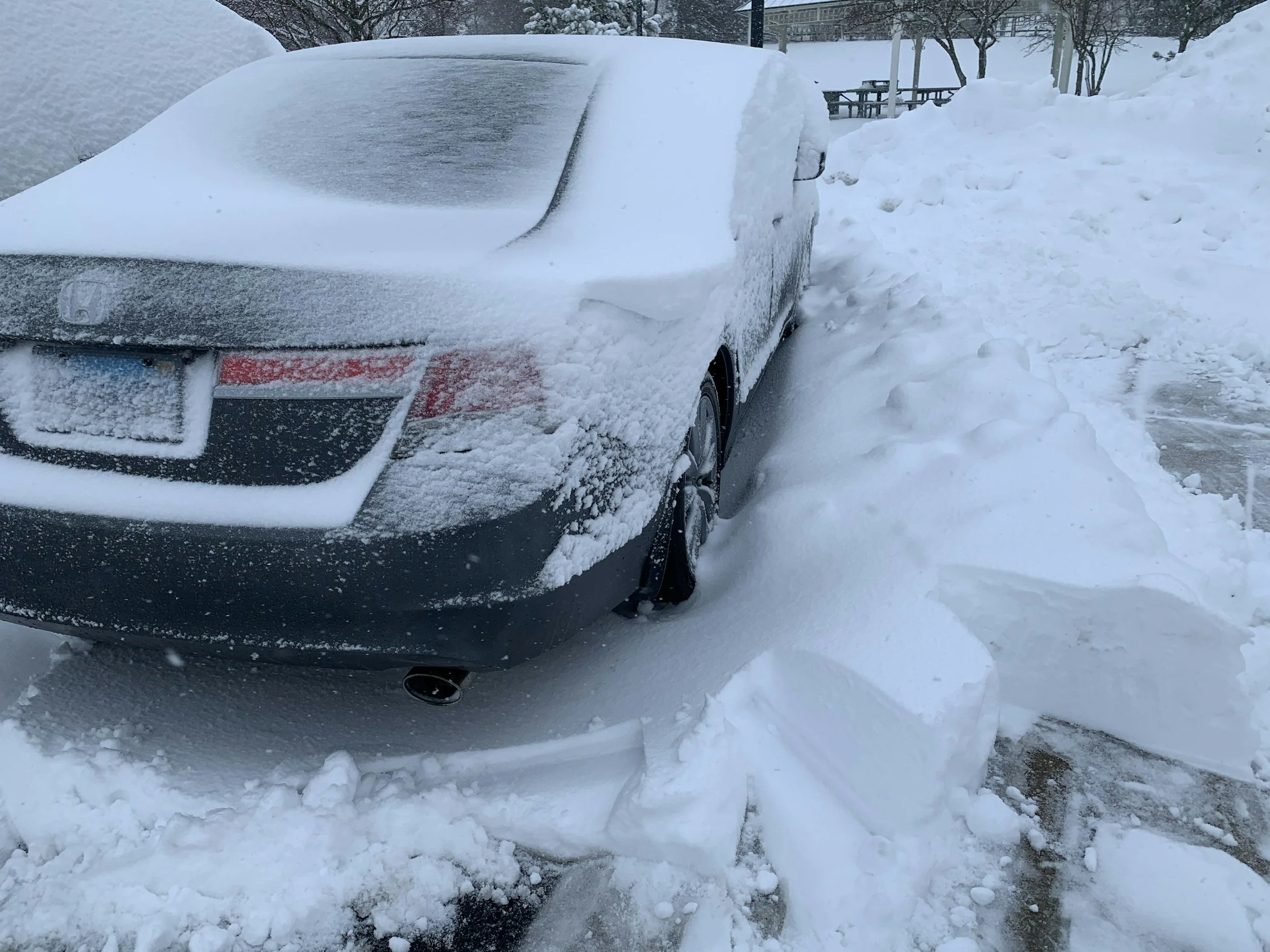
Landscaping damage is a hidden cost of poor snow management and often becomes apparent only after snow recedes.
Rental and Airbnb Property Considerations
Snow removal expectations are higher for rental and Airbnb properties. Guests expect safe, accessible entry regardless of storm timing.
Best practices for rental property management include:
Proactive snow clearing schedules
Documented service response times
Consistent walkway and parking access
In resort areas like Killington and Woodstock, snow reliability directly impacts reviews and repeat bookings.
DIY vs Professional Snow Removal
Homeowners often underestimate the cumulative demands of Vermont winters. Multiple storms per week, overnight snowfall, and heavy accumulation can quickly overwhelm DIY efforts.
Professional snow removal provides:
Predictable service timing
Equipment sized for heavy snow
Reduced injury risk
Consistent surface protection
Costs vary by property size and service frequency, but are often modest compared to medical bills, property damage, or lost work time.
Why Local Experience Matters
Snow removal is not interchangeable from region to region. Vermont’s weather patterns, terrain, and construction styles demand localized knowledge.
Evergreen Property Care provides residential and rental snow removal services throughout Rutland, Killington, Woodstock, Ludlow, Pittsfield, and surrounding Vermont communities. Their approach emphasizes safety, surface preservation, and integration with broader seasonal maintenance strategies.
Smart Snow Removal Protects More Than Access
Effective snow removal safeguards walkways, roofs, landscaping, drainage systems, and the people who use them. It is a foundational element of winter property care, not a last-minute chore.
Homeowners who approach snow removal strategically experience fewer repairs, lower risk, and smoother transitions into spring.
CLICK HERE to Schedule or Reach out to us at (802) 444-1372 or info@evergreenpropertycare.com