
Top Winter Readiness Home Mistakes
Top Reasons Vermont Properties Fail Winter Readiness Checks
Every winter in Vermont, the same pattern repeats. Homes that appeared stable through fall begin to show signs of stress: frozen pipes, ice-damaged roofs, heating failures, water intrusion, unsafe access points, and emergency repair calls that could have been avoided with earlier intervention.
Winter readiness checks are designed to catch vulnerabilities before snow, ice, and sustained cold expose them. Yet many Vermont properties still fail these assessments—not because owners are careless, but because winter preparedness is often misunderstood.
From primary residences in Rutland to ski-area homes in Killington and short-term rentals in Woodstock, Ludlow, and Pittsfield, winter failures tend to stem from the same underlying issues. This article breaks down the most common reasons properties fail winter readiness checks, why these issues persist, and how proper property care and seasonal maintenance prevent costly disruptions.
1. Treating Winterization as a One-Time Task
One of the most common failures is viewing winter readiness as a checklist that can be completed once and forgotten. Vermont winters last months, not weeks. Conditions evolve continuously, and systems that appear adequate in October may be compromised by January.
Snow load, freeze–thaw cycles, wind exposure, and prolonged subzero temperatures place cumulative stress on roofs, mechanical systems, and building envelopes. Properties that pass an early inspection but receive no follow-up often fail later in the season.
Effective winter readiness is a process, not an event. It requires ongoing seasonal maintenance and periodic reassessment, especially after major storms.
2. Underestimating Heat Loss and Air Leakage
Many winter failures trace back to uncontrolled heat loss. When warm air escapes where it shouldn’t, it creates downstream consequences: ice dams, frozen pipes, condensation, and increased mechanical strain.
Common contributors include:
Inadequate attic insulation coverage
Settled or compressed insulation in older homes
Unsealed attic penetrations and access points

In Vermont, even small thermal inconsistencies can trigger major issues. Homes in Rutland County and historic areas like Woodstock frequently contain layered renovations that interrupt insulation continuity, allowing heat to migrate unpredictably.
3. Ignoring Roof Systems Until Problems Appear
Roofs are often visually inspected from the ground and assumed sound if no leaks are visible. This approach misses early warning signs that winter readiness checks are designed to catch.
Loose flashing, aging shingles, compromised underlayment, and blocked ventilation all contribute to winter roof failures. Ice dams—one of Vermont’s most destructive winter issues—are rarely caused by snow alone. They signal deeper problems with insulation, air sealing, or ventilation.
Failing to address roof vulnerabilities before snow accumulates significantly increases the risk of interior water damage during mid-winter thaws.
4. Overlooking Plumbing Vulnerabilities
Frozen pipes remain one of the most common reasons properties fail winter readiness checks. Failures often occur inside walls, crawlspaces, or unconditioned areas, making early detection difficult.
High-risk conditions include:
Plumbing located in exterior walls
Unheated basements or additions
Seasonal-use properties without consistent monitoring
Inconsistent occupancy—common in rental and Airbnb properties—further increases risk. A single cold night without adequate safeguards can result in burst pipes and extensive water damage.
5. Assuming Heating Systems Are Automatically Reliable
Heating systems are often taken for granted until they fail. In Vermont, a heating system outage is not an inconvenience—it is a property emergency.
Common readiness failures include:
Skipping annual servicing
Ignoring early performance issues
Inadequate fuel supply planning
Backup systems are frequently untested, leaving properties vulnerable during power outages or fuel delivery delays, particularly in rural areas near Pittsfield and mountain regions.
6. Neglecting Drainage, Gutters, and Site Conditions
Water management does not stop when temperatures drop. Properties that fail winter readiness checks often have unresolved drainage issues that worsen during freeze–thaw cycles.
Clogged gutters, poorly directed downspouts, and negative grading trap meltwater near foundations and roof edges. This accelerates ice formation, foundation stress, and interior moisture intrusion.
Landscaping plays a functional role in winter readiness. Fall cleanup and drainage correction reduce ice accumulation and protect hardscapes from frost heave.
7. Failing to Prepare Access and Safety Systems
Winter readiness is not limited to structural systems. Properties frequently fail inspections due to unsafe access conditions.
Loose handrails, deteriorated steps, inadequate lighting, and poorly planned snow storage create hazards for occupants, guests, and service providers. These risks are magnified for rental properties, where liability exposure is higher.
Safe winter access requires planning before snow arrives—not improvisation after storms.
8. Relying on Temporary Fixes Instead of Structural Solutions
Emergency measures such as space heaters, roof raking, or chemical ice melt are often mistaken for winter readiness strategies. While these tactics may reduce immediate risk, they do not address underlying deficiencies.
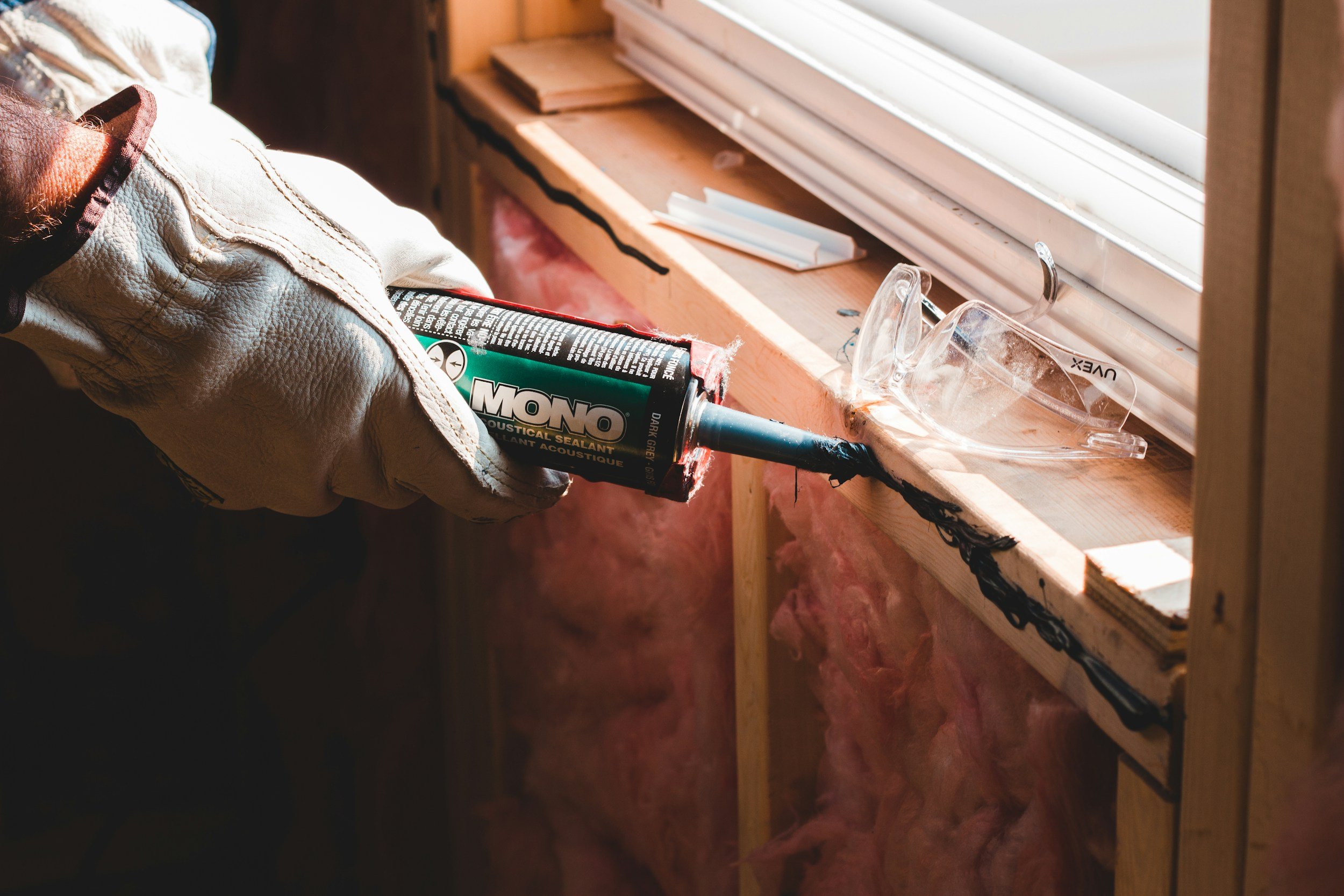
Properties that rely heavily on temporary fixes tend to experience repeated failures year after year. Long-term solutions involve renovation-informed repairs, system upgrades, and preventative maintenance.
9. Inadequate Oversight for Rental and Airbnb Properties
Short-term rentals face elevated winter risk due to intermittent occupancy and delayed issue detection. A minor problem can escalate unnoticed between guest stays.
Winter readiness failures in rental properties often result from:
Lack of documented winterization protocols
No scheduled inspections during winter
Absence of local property care support
In tourism-driven markets like Killington and Woodstock, winter failures directly affect revenue, reviews, and property longevity.
10. Lack of Local, Vermont-Specific Expertise
Vermont housing stock is diverse, spanning centuries of construction methods, elevations, and exposure conditions. Generic winter readiness advice rarely accounts for these variables.
Properties fail inspections when preparation is based on generalized guidance rather than local experience. Effective winter readiness requires understanding how Vermont’s climate interacts with specific building assemblies.
Evergreen Property Care works with homeowners, rental owners, and property managers across Rutland, Killington, Woodstock, Ludlow, Pittsfield, and surrounding Vermont communities to provide structured winter readiness checks, seasonal maintenance, and repair coordination grounded in local conditions.
Preventing Failure Starts Before Winter Begins
Most winter readiness failures are predictable. They occur when small issues are deferred, systems are assumed reliable, or preparation is rushed.
Properties that pass winter readiness checks consistently are those managed proactively, with attention to building performance rather than surface symptoms. In Vermont, preparation is not optional—it is a core component of responsible property care.
CLICK HERE to Schedule or Reach out to us at (802) 444-1372 or info@evergreenpropertycare.com