
How Much Does Window Replacement Cost Before a Vermont Winter?
Window replacement costs in Vermont vary more than most homeowners expect, and the biggest variable isn't the window itself — it's how many windows need replacing, what condition the surrounding framing is in, and how much lead time is left before winter heating season locks in the urgency. Understanding what actually drives cost helps set realistic expectations before requesting quotes.
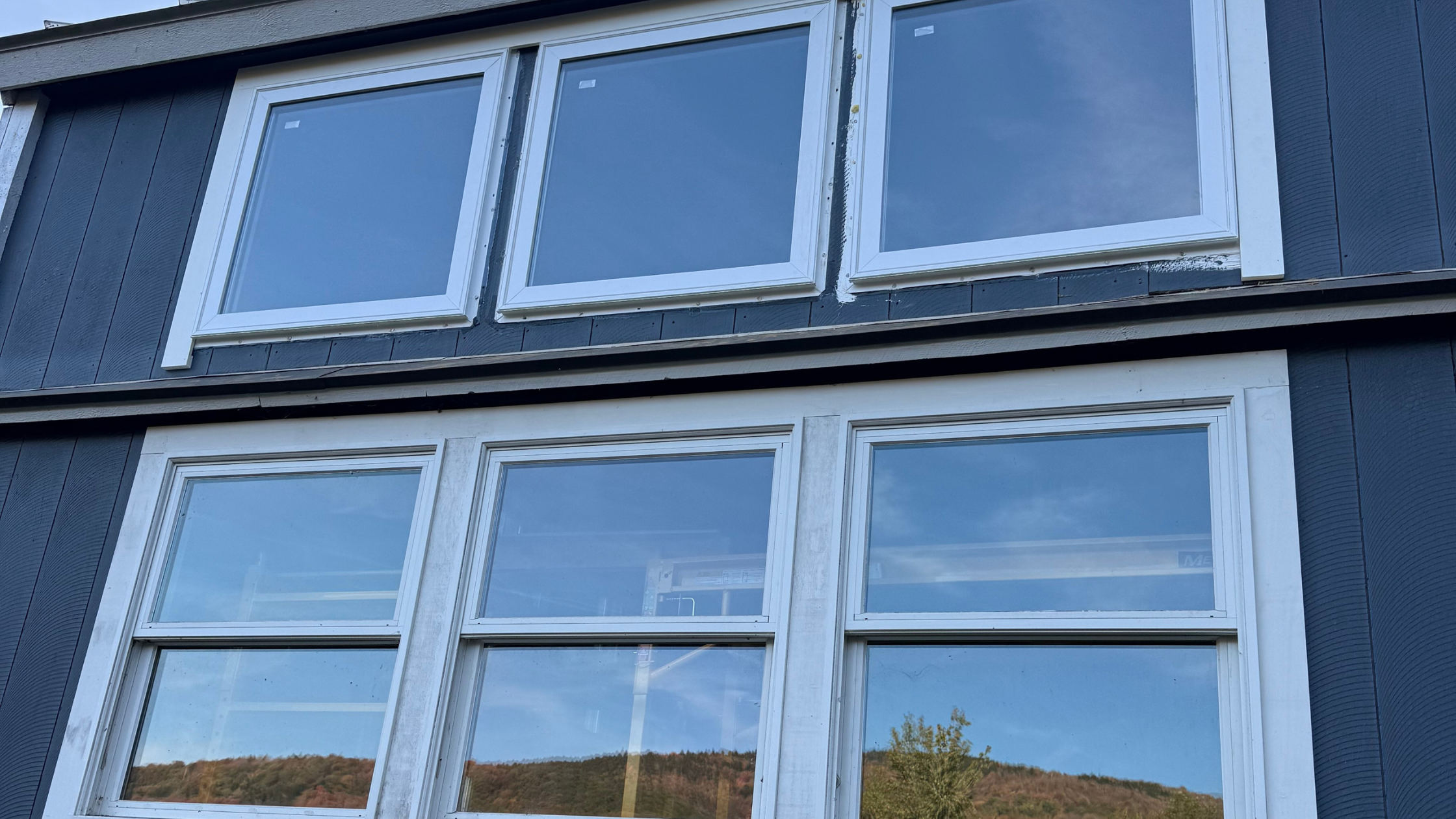
What Actually Drives Window Replacement Cost
Rather than a flat per-window price, several factors combine to determine the total cost of a window project:
Window type and material. Vinyl, wood, and fiberglass frames each carry different price points, and the choice affects both upfront cost and long-term energy performance in Vermont's climate.
Number of windows and whether they're grouped. Replacing multiple windows in one visit typically costs less per window than scattered single replacements, since labor and setup are shared across the job.
Condition of the existing frame and surrounding wall. If rot or water damage is found once the old window is removed, that adds cost beyond the window itself — this is one of the most common sources of a quote changing mid-project.
Full-frame replacement versus insert replacement. An insert replacement fits into the existing frame and is generally less expensive; full-frame replacement removes the frame entirely and is necessary when the existing frame is damaged or the window opening is being resized.
Energy efficiency rating. Higher-performance glass and framing cost more upfront but matter more in Vermont than in milder climates, where heating costs make the long-term energy savings a real factor in the decision.
Because these variables combine differently for every property, general cost ranges found online are a starting point at best — a specific quote based on an in-person assessment is the only reliable number for a given home.
Why Timing Before Winter Changes the Calculation
Window replacement is weather-dependent work — the old window has to come out before the new one goes in, which means outdoor temperatures and precipitation directly affect scheduling and the length of time a home is exposed to the elements during the swap. Scheduling before winter heating season starts also means the energy-efficiency benefit of new windows applies to the full heating season ahead, rather than starting partway through it. Waiting until temperatures have already dropped narrows the installation window and can push a project into a season where scheduling is tighter across every contractor in the region.
Signs It's Worth Getting a Quote Now
Not every window needs full replacement, but certain signs point toward it being the more cost-effective choice over repair, especially heading into winter:
Visible drafts even with the window fully closed and locked
Condensation forming between panes, which indicates a failed seal that can't be repaired
Difficulty opening, closing, or locking the window, especially after seasonal temperature changes
Visible rot or soft wood in the surrounding frame
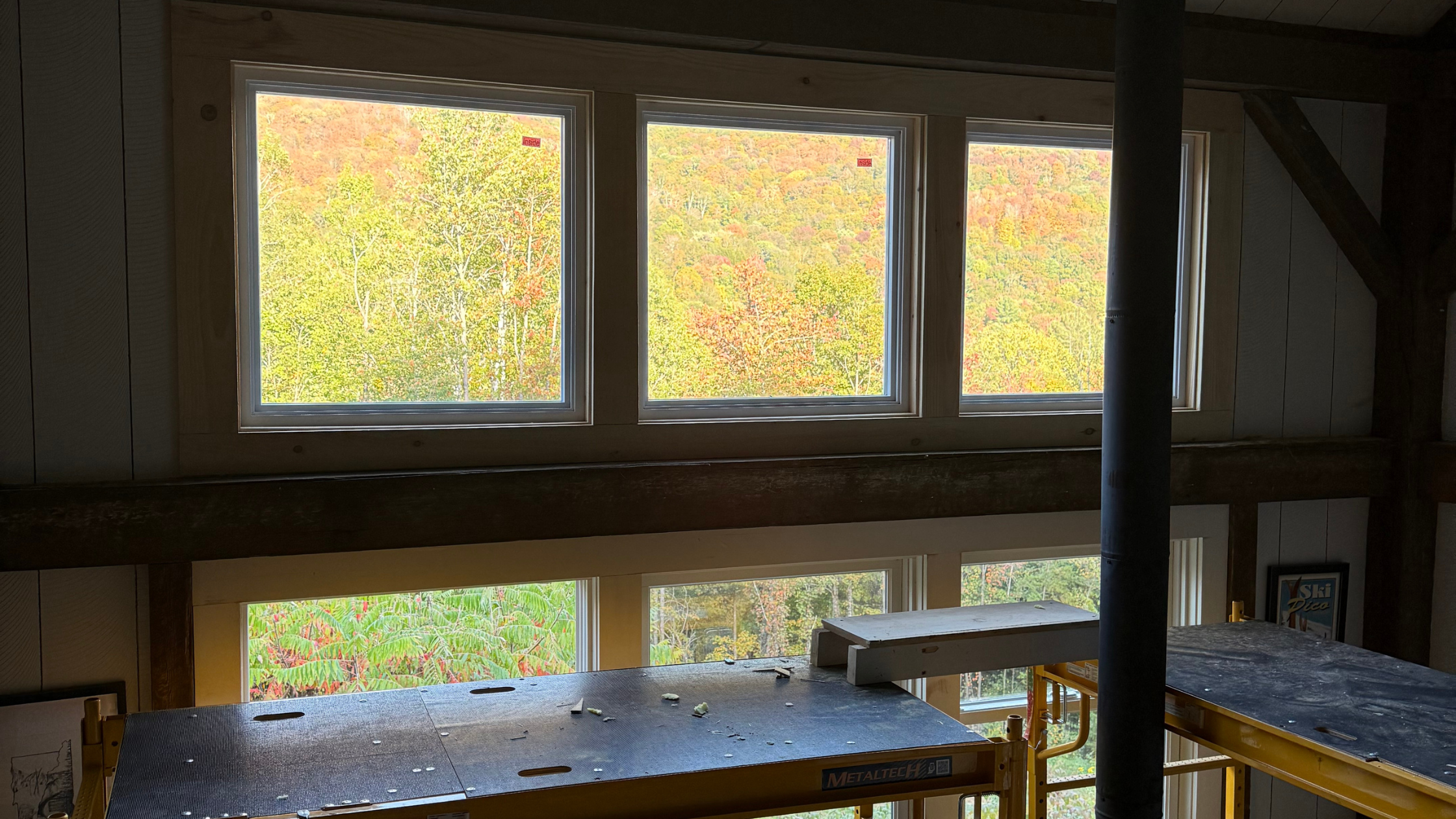
Repair Versus Replacement
A window with a single failed seal or a minor hardware issue is often a repair, not a replacement — but a home with several aging windows showing multiple issues usually reaches a point where replacement is more cost-effective than repeated repairs, particularly when heating efficiency is factored in over several winters rather than treated as a one-time cost.
Frequently Asked Questions
Is it cheaper to replace multiple windows at once rather than one at a time? Generally yes — grouping windows into one project shares labor and setup costs, which typically brings the per-window cost down compared to scattered individual replacements over time.
Does window replacement need to happen before winter, or can it wait until spring? It can wait, but replacing before winter heating season means the energy-efficiency benefit applies to the coldest months ahead, and scheduling is often more flexible before demand increases closer to winter.
What's the difference between insert and full-frame window replacement? Insert replacement fits into the existing frame and is typically less expensive; full-frame replacement removes the frame entirely and is necessary when the existing frame is damaged or the opening size is changing.
How do I know if I need repair or full replacement? A single issue like a failed seal or minor hardware problem is often repairable, but multiple issues across several windows — especially combined with drafts or frame rot — usually make replacement the more cost-effective choice.
How long does window replacement typically take? Timeline depends on the number of windows and whether it's insert or full-frame replacement; a specific project timeline is best confirmed during an in-person assessment.
If you're weighing repair versus replacement before winter, Evergreen Property Care can assess your windows and provide a clear, specific estimate for your property.