
Smart Snow Management for Your Properties
In Vermont, snow removal is not a reactive chore—it is a core operational responsibility of property ownership. Poor snow management creates cascading problems: damaged surfaces, blocked access, liability exposure, drainage failures, and costly repairs that surface months later. The most successful property owners approach snow removal as a strategy, not a storm-by-storm response.
From multi-unit properties in Rutland to vacation homes in Killington and short-term rentals across Woodstock, Ludlow, and Pittsfield, effective snow removal protects both the physical asset and the people who rely on it. This guide breaks down proven snow removal strategies designed specifically for Vermont’s climate, terrain, and housing stock.
Why Snow Removal Strategy Matters
Vermont winters are defined by accumulation, not isolated events. Snow begins early, persists late, and frequently stacks storm upon storm. Average annual snowfall ranges from roughly 70 inches in lower valleys to well over 150 inches in mountain regions.
This creates unique challenges:
Compacted snow layers that refreeze between storms
Limited melt windows that stress drainage systems
Increased wear on driveways, walkways, and landscaping
Without a plan, snow removal decisions made in December often cause property damage revealed in April.
Start With Snow Storage and Site Planning
The most overlooked snow removal strategy is deciding where snow will go before the first storm. Snow must be placed somewhere repeatedly for months, and poor placement compounds problems.
Effective planning considers grades, sightlines, drainage paths, and proximity to structures. Snow should never be piled against foundations, basement windows, or garage doors. Large piles can trap meltwater and redirect it toward buildings during thaws.
For properties with limited space—common in Woodstock village areas or tighter lots in Rutland—snow placement strategy is often the difference between smooth operations and chronic winter issues.
Timing and Frequency: Clear Early, Clear Often
Waiting to remove snow until storms end or schedules allow is one of the most common strategic errors. Snow that is driven or walked on becomes denser and bonds to surfaces, increasing removal difficulty and surface damage.
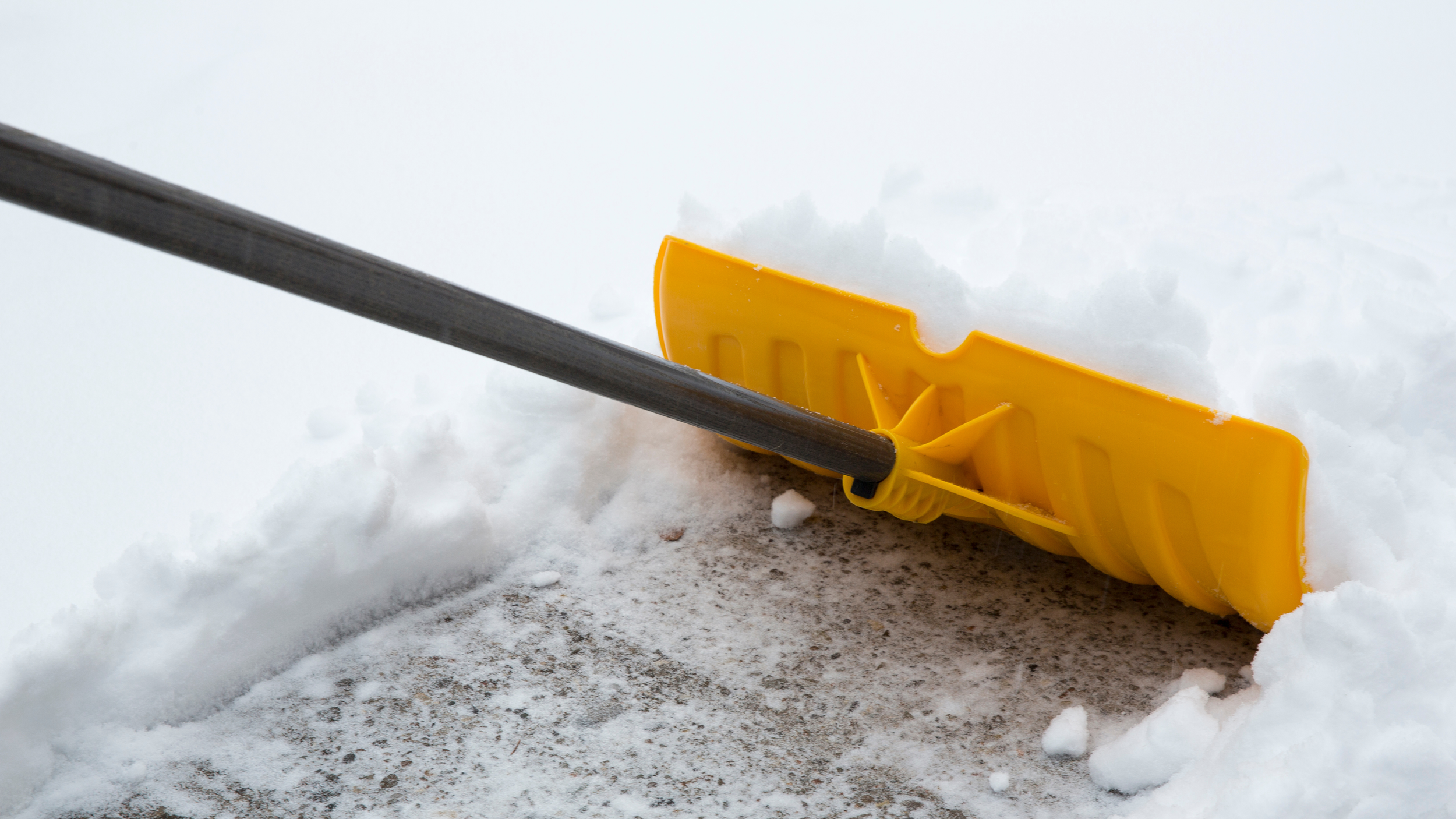
Incremental clearing:
Reduces ice formation
Lowers physical strain
Protects asphalt, concrete, and pavers
This approach is especially important during multi-day storms or back-to-back snow events common in Vermont winters.
Driveway Strategies That Prevent Long-Term Damage
Driveways are among the most frequently damaged assets during winter. Aggressive plowing, improper blade height, and unmarked edges lead to chipping, cracking, and displaced materials.
Strategic best practices include:
Setting blades slightly above finished grade
Clearly marking edges and obstacles before winter
Avoiding metal tools on decorative surfaces
Walkways, Steps, and Access Control
Snow removal strategies must prioritize pedestrian safety. Slips and falls remain one of the leading winter injury risks for property owners.
Consistent clearing paired with appropriate ice control maintains safe access. Calcium-based ice control products are generally less corrosive than traditional rock salt and better suited for concrete, stone, and landscaping.
Handrails, steps, and entry landings should be inspected and repaired before winter, as snow and ice amplify existing weaknesses.
Drainage Awareness During Snow Operations
Snow removal and drainage are inseparable. Where snow is pushed determines where water flows during thaws.
Strategic snow placement preserves:
Drainage swales
Catch basins and drains
Natural grading away from foundations
In towns like Ludlow and Pittsfield, midwinter thaws are common. Properties that ignore drainage during snow removal often experience interior water intrusion despite no rainfall.
Roof Snow and Ice Management Strategy
Roof snow removal is not routine maintenance—it is situational risk management. Excessive snow load can stress older roof systems, while uneven melting creates ice dam conditions.
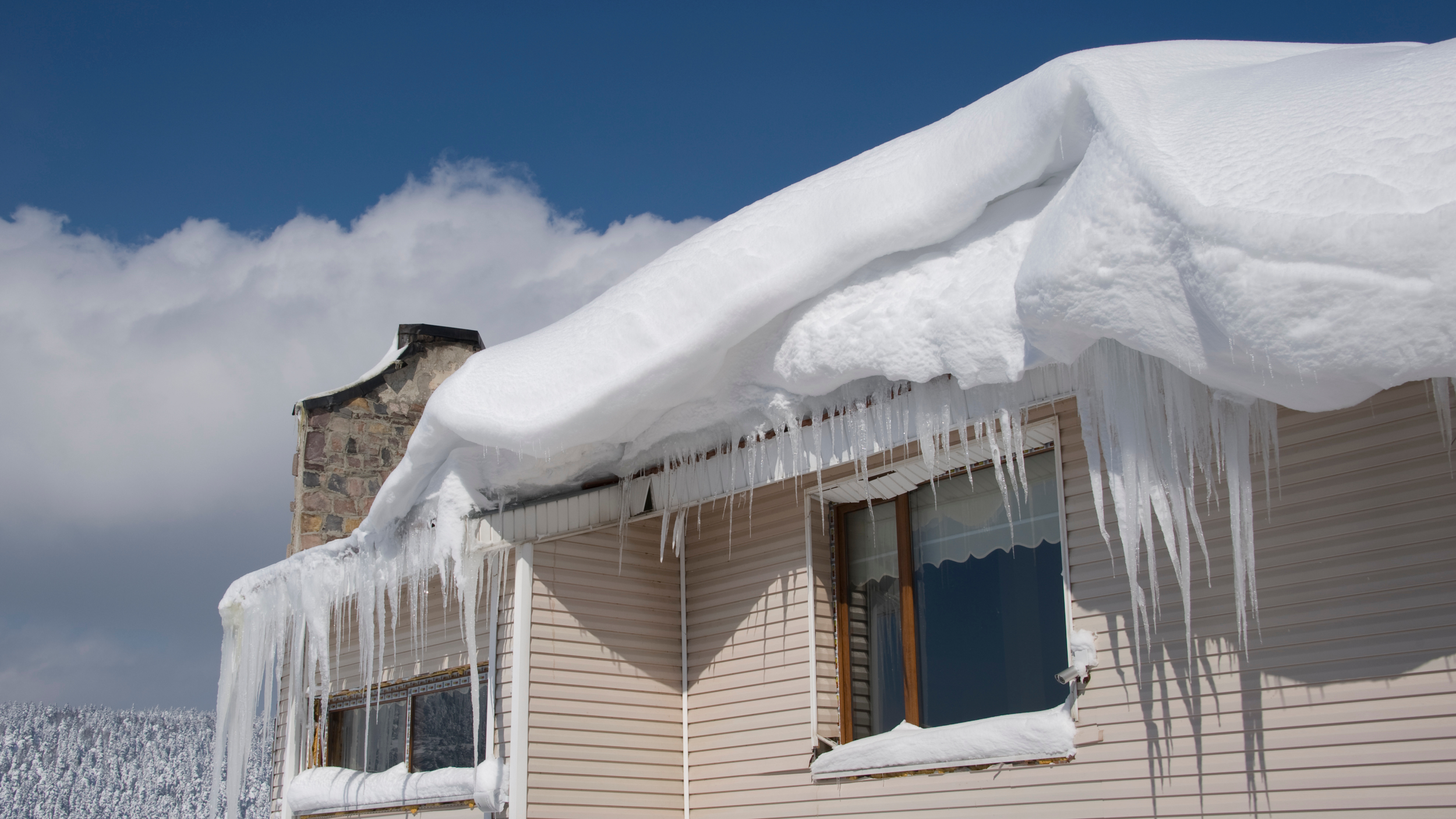
Selective roof snow management focuses on:
Reducing extreme load conditions
Limiting ice dam formation
Preserving roofing materials
Improper roof raking can cause more damage than it prevents, making professional evaluation essential in many cases.
Landscaping Preservation Through Winter
Landscaping damage is one of the most common hidden costs of winter. Snow piles, plow traffic, and ice control products can destroy turf, shrubs, and hardscape edges.
Effective strategies include:
Marking landscape boundaries clearly
Rotating snow pile locations when possible
Using plant-safe ice control near beds and lawns
Spring landscaping repairs often trace directly back to winter snow management decisions.
Strategies for Rental and Airbnb Properties
Rental and Airbnb properties carry higher expectations and liability exposure. Guests expect clear access regardless of storm timing.
Successful rental snow strategies include:
Proactive clearing schedules
Documented response times
Reliable service coverage during peak travel periods
In resort-driven markets like Killington and Woodstock, snow reliability directly impacts occupancy rates and reviews.
DIY vs Professional Snow Removal Strategy
Many property owners underestimate the cumulative demand of Vermont winters. Multiple storms per week, overnight snowfall, and heavy accumulation can overwhelm even well-equipped homeowners.
Professional snow removal offers:
Predictable service windows
Equipment sized for heavy accumulation
Reduced injury and liability risk
Integration with broader seasonal maintenance
Costs vary by property size and service frequency, but are often modest compared to injury claims, surface repairs, or lost rental revenue.
Why Local Strategy Outperforms Generic Advice
Snow removal strategies are not universal. Vermont’s terrain, weather patterns, and construction styles require localized experience.
Evergreen Property Care provides snow removal and winter property care services across Rutland, Killington, Woodstock, Ludlow, Pittsfield, and surrounding Vermont communities. Their approach prioritizes safety, surface protection, drainage control, and long-term property performance.
Snow Removal as Asset Protection
The best snow removal strategies protect more than access. They preserve surfaces, prevent water damage, safeguard landscaping, and reduce long-term repair costs.
For Vermont property owners, snow removal is not seasonal inconvenience—it is an essential component of responsible property care.
CLICK HERE to Schedule or Reach out to us at (802) 444-1372 or info@evergreenpropertycare.com